WFZO Puts Economic Zones at the Center of Investment Debate at AIM Congress 2026
The World Free Zones Organization (WFZO) brought special economic zones into discussions on global investment, resilience and sustainable growth at AIM Congress 2026, participating in five high-level sessions at Dubai World Trade Center.

CEO Dr. Matthew Stephenson highlights economic zones as a key tool for attracting long-term investment and building resilience in a volatile global economy
DUBAI, UAE, 11 September 2026 — The World Free Zones Organization (WFZO) brought special economic zones into discussions on global investment, resilience and sustainable growth at AIM Congress 2026, participating in five high-level sessions at Dubai World Trade Center.
WFZO's program covered tourism investment, artificial intelligence, sustainability, new models of economic zones and healthcare investment. CEO Dr. Matthew Stephenson participated as a speaker and moderator, while WFZO also hosted a dedicated side event on how new models of zones can unlock investment.
Across the discussions, a consistent theme emerged: as investors navigate greater geopolitical and economic uncertainty, predictability, good governance and the ability to deliver projects efficiently are becoming increasingly important to investment decisions.
Tourism investment: beyond fiscal incentives
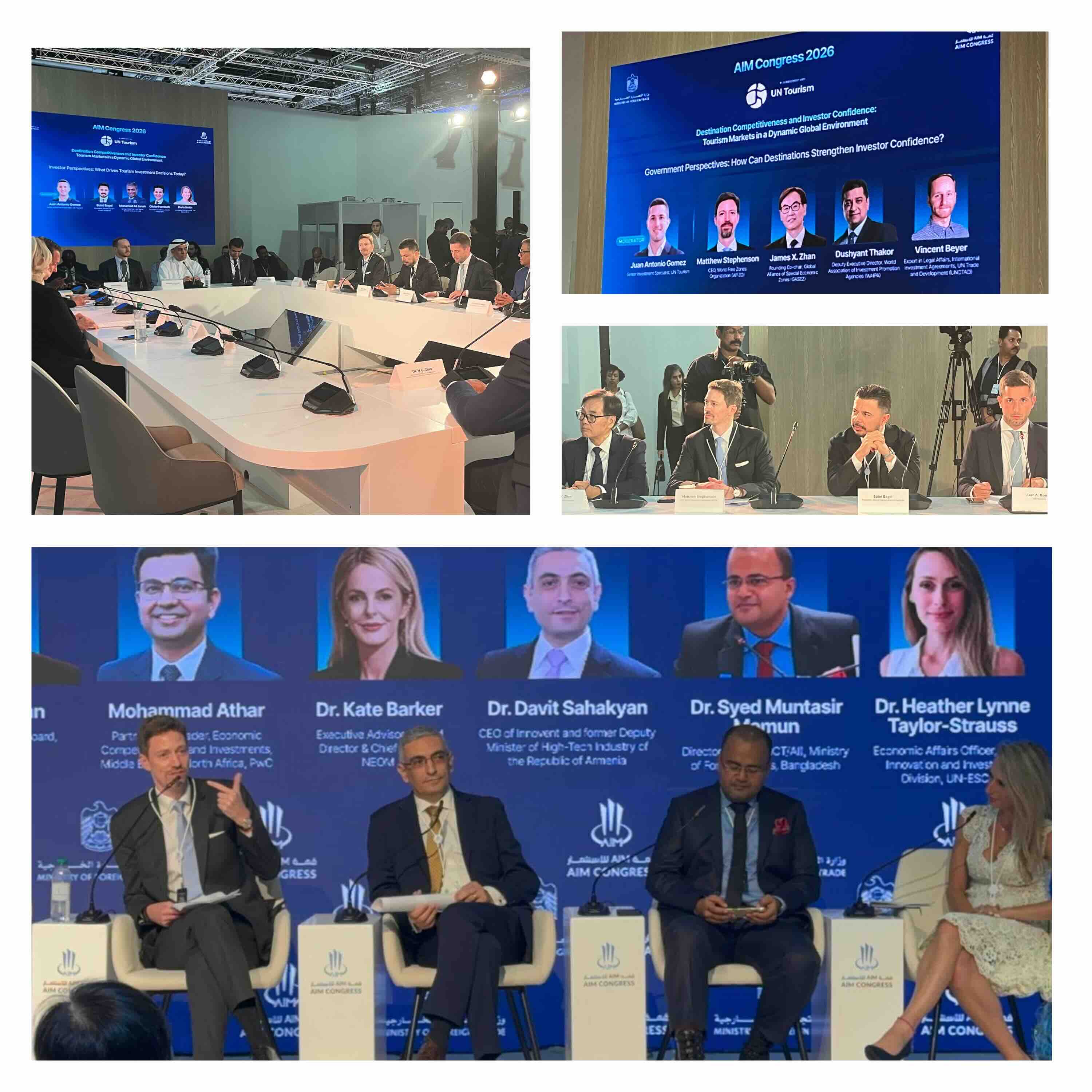
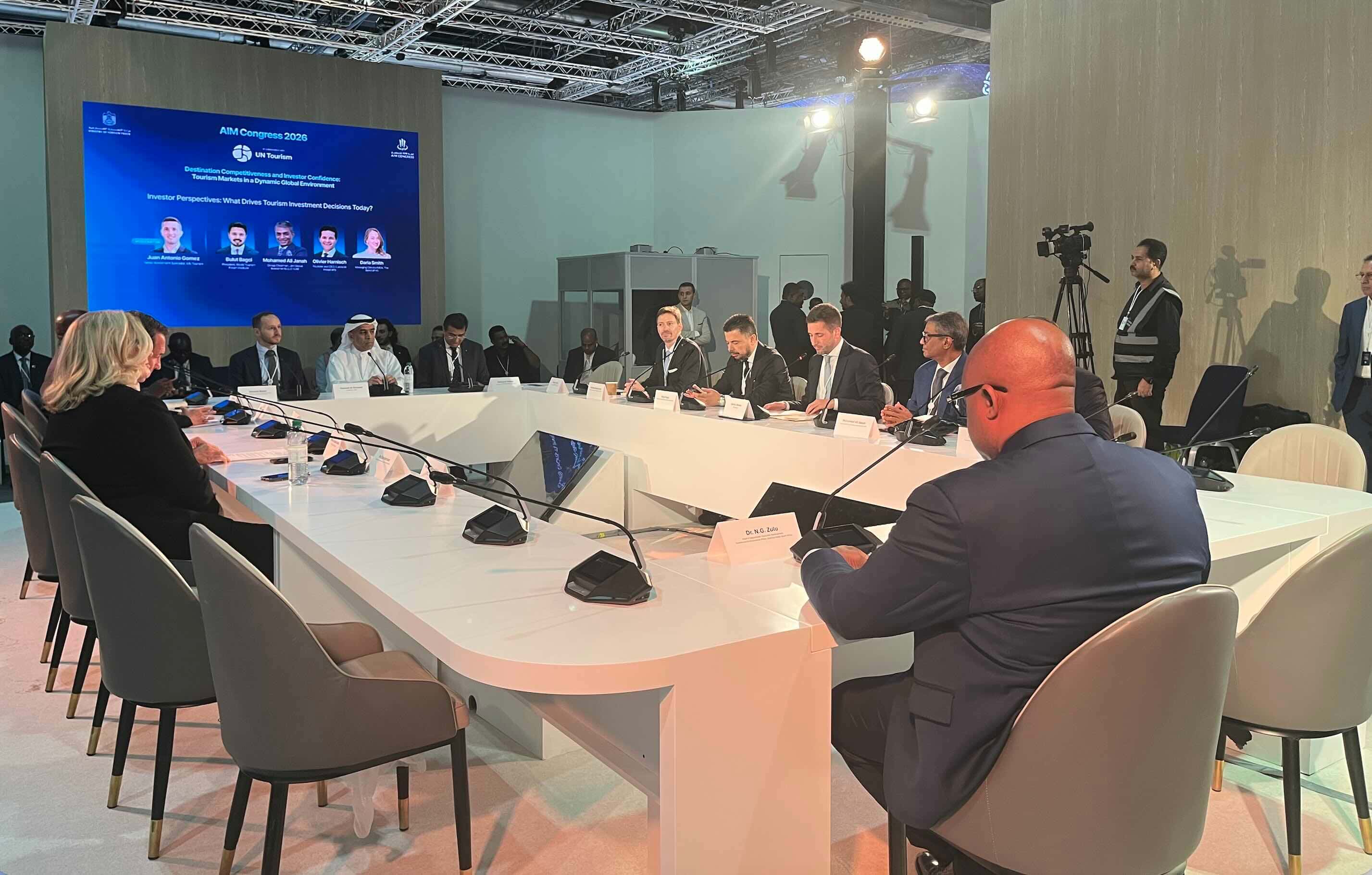
A highlight of WFZO's participation was the UN Tourism High-Level Dialogue on Tourism Investment, “Destination Competitiveness and Investor Confidence: Tourism Markets in a Dynamic Global Environment.”
The scale of the opportunity was presented by Jasem Mohamed AlBudaiwi, Secretary-General of the Gulf Cooperation Council, who said GCC countries welcomed approximately 75 million tourists in 2025, while tourism spending across the bloc exceeded US$180 billion.
At the same time, investors are becoming more selective as construction and financing costs rise, placing greater emphasis on connectivity, security, political continuity, credible government strategies and the ability to deliver projects.
WFZO research indicates that approximately 7,000 economic zones operate globally, while only around 140 are specifically focused on tourism, pointing to significant potential for the development of tourism-focused zones.
“Predictability is necessary, and for tourism investment it's particularly necessary, because these are long-term investments,” Stephenson said. “If regulations change faster than it takes to build and recoup a resort, the investment won't work.”
He argued that well-managed zones can help investors overcome practical barriers around land, permitting, infrastructure and utilities.
“Fiscal incentives get you a meeting. It's good governance that closes the deal.”
 AI and the next generation of investment
Stephenson moderated “Artificial Intelligence and Foreign Direct Investment: From Global Capital Flows to AI-Powered Investment Promotion,” organized by the World Association of Investment Promotion Agencies. The discussion explored two sides of the AI investment equation: the capital required for data centers, computing capacity and semiconductors, and the use of AI by investment promotion agencies to identify opportunities, target investors and improve investor services. For economic zones, the rapid growth of AI presents both an opportunity and a challenge. Attracting technology investment increasingly requires more than land and incentives, with reliable energy, digital infrastructure, connectivity and skilled talent becoming critical components of the investment proposition.
Zones as laboratories and shock absorbers
WFZO also joined the panel “Special Economic Zones as ‘Clean’ Engines of Growth, Trade and Sustainability,” examining how zones can respond to geopolitical volatility, climate pressures and changing expectations around sustainable development.
Stephenson described the opportunity and risk facing zones in two words: “laboratory and island.”
Zones can act as laboratories where governments test new approaches to trade, customs, digitalization and sustainability before successful reforms are scaled nationally. He pointed to WFZO's recent mission to Viet Nam, where new free-zone models are being developed and tested.
But zones can also become islands if their economic success is disconnected from surrounding communities and wider national development priorities.
The distinction is increasingly important in a world facing disruption to trade, supply chains, energy and investment.
“In a world buffeted by increasing shocks, zones can be shock absorbers.”
New models, new investment opportunities
WFZO hosted its own side event, “New Models of Zones and Unlocking Investment,” bringing together leaders from Portobelo Ventures and Instituto Istmo 2050, Dubai Silicon Oasis, Richards Bay Industrial Development Zone, the Hainan Provincial Bureau of International Economic Development and the Islamic Centre for Development of Trade.
The diversity of participants demonstrated how economic zones are evolving beyond traditional incentive-based models to support technology, industrial development, international trade, resilience and specialized investment ecosystems.
The session provided a practical look at how different jurisdictions are using zones to respond to their own economic priorities while competing for increasingly selective international capital.
Healthcare: a new frontier for zone investment
WFZO's fifth session focused on healthcare investment in Africa, organized by the WHO and the ICDT.
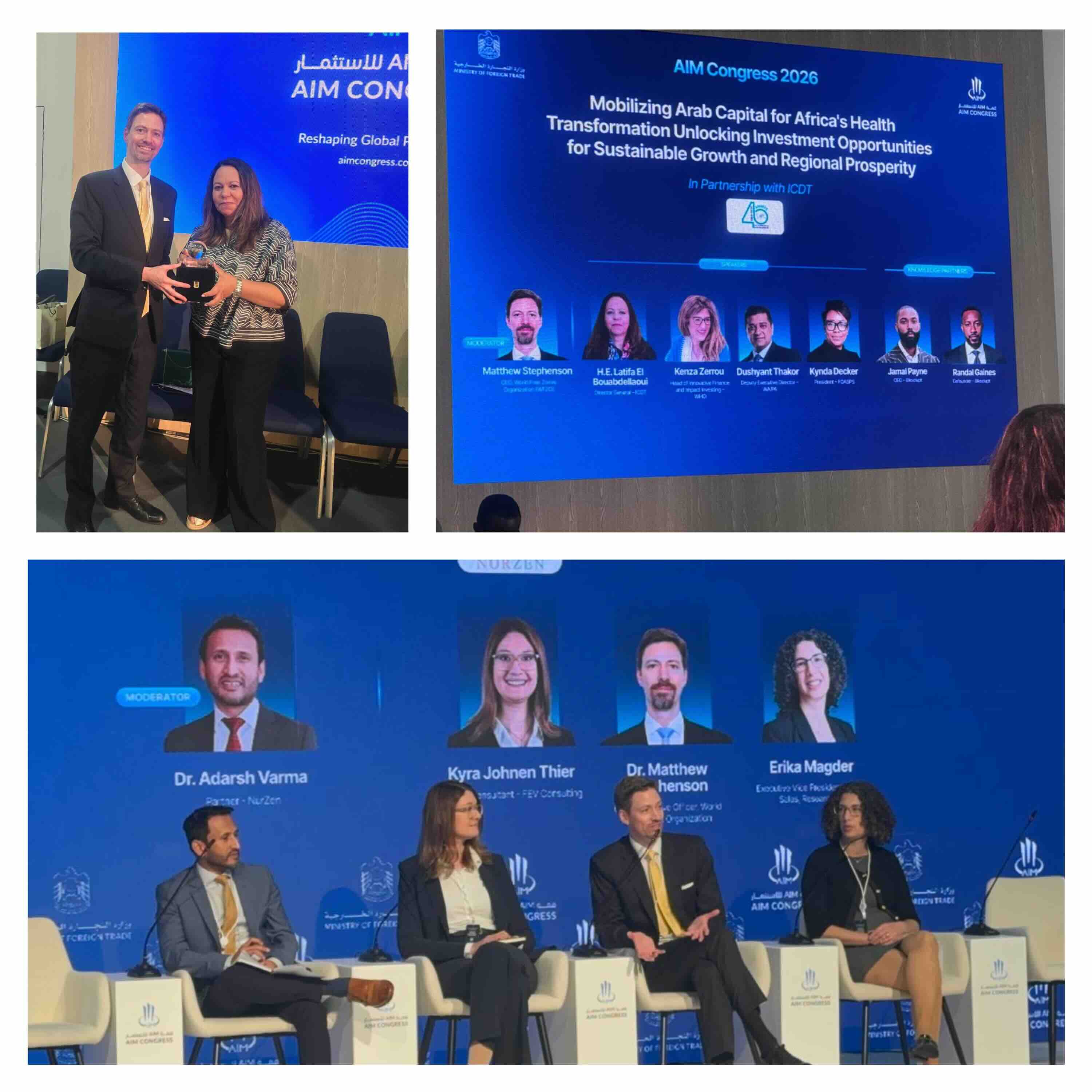
“Mobilizing Arab Capital for Africa's Health Transformation: Unlocking Investment Opportunities for Sustainable Growth and Regional Prosperity” examined how Arab sovereign wealth funds, development finance institutions and private capital can support healthcare development across Africa.
The discussion highlighted the potential for specialized economic zones to create investment ecosystems around healthcare, medical tourism, pharmaceuticals and life sciences.
China's Boao Lecheng International Medical Tourism Pilot Zone provided a tangible example of this approach, bringing healthcare services, investment, tourism and supporting industries together within a dedicated development framework.
 Looking ahead
WFZO's participation at AIM Congress reflected the increasingly broad role of economic zones in the global investment landscape, from tourism and artificial intelligence to sustainability, healthcare and industrial development.
Across five sessions, WFZO brought the perspective of zones into discussions with governments, investors, investment promotion agencies, zone operators and international institutions.
The message was clear: capital moves towards opportunity, but long-term investment stays where there is confidence.
As WFZO looks ahead to its World Congress in the Dominican Republic in May 2027, it will continue bringing together governments, zones, investors and international institutions to examine how economic zones can attract investment, respond to global challenges and support sustainable economic development.
Featured Publications
 WFZO News
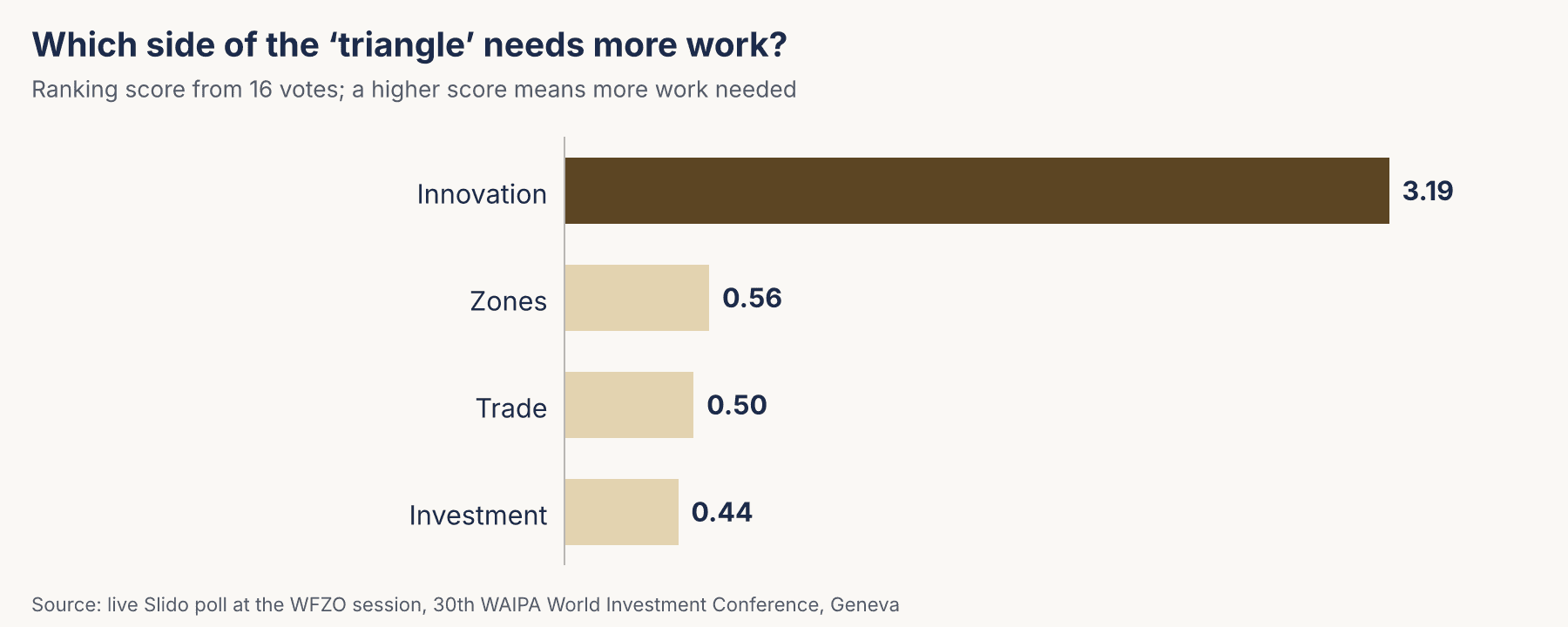
Four Sides of a Triangle: How zones connect investment, trade and innovation
20 November 2026
1 min read

News Desk
World Free Zones Organization
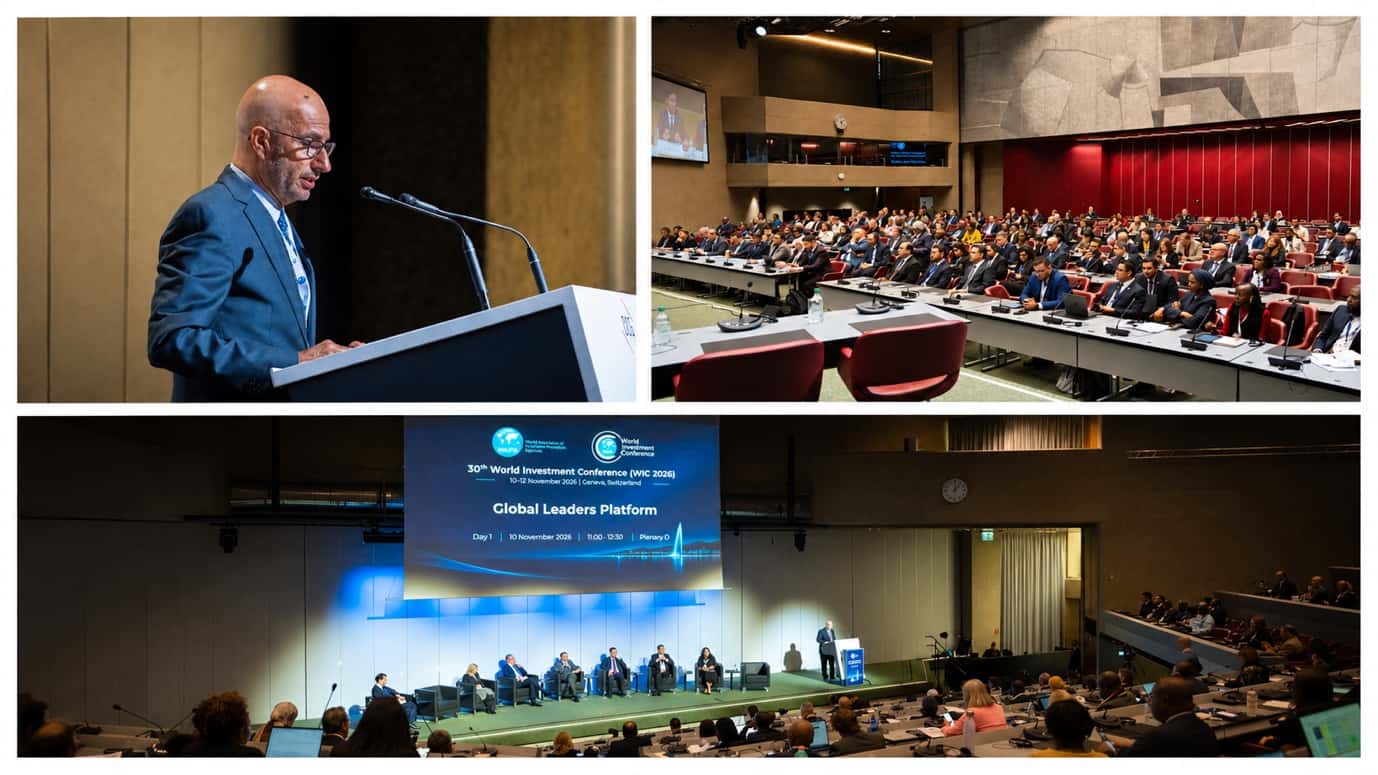 WFZO News
WFZO Champions the Partnership Between Investment Promotion and Economic Zones at the 30th WAIPA World Investment Conference
20 November 2026
1 min read
News Desk
World Free Zones Organization
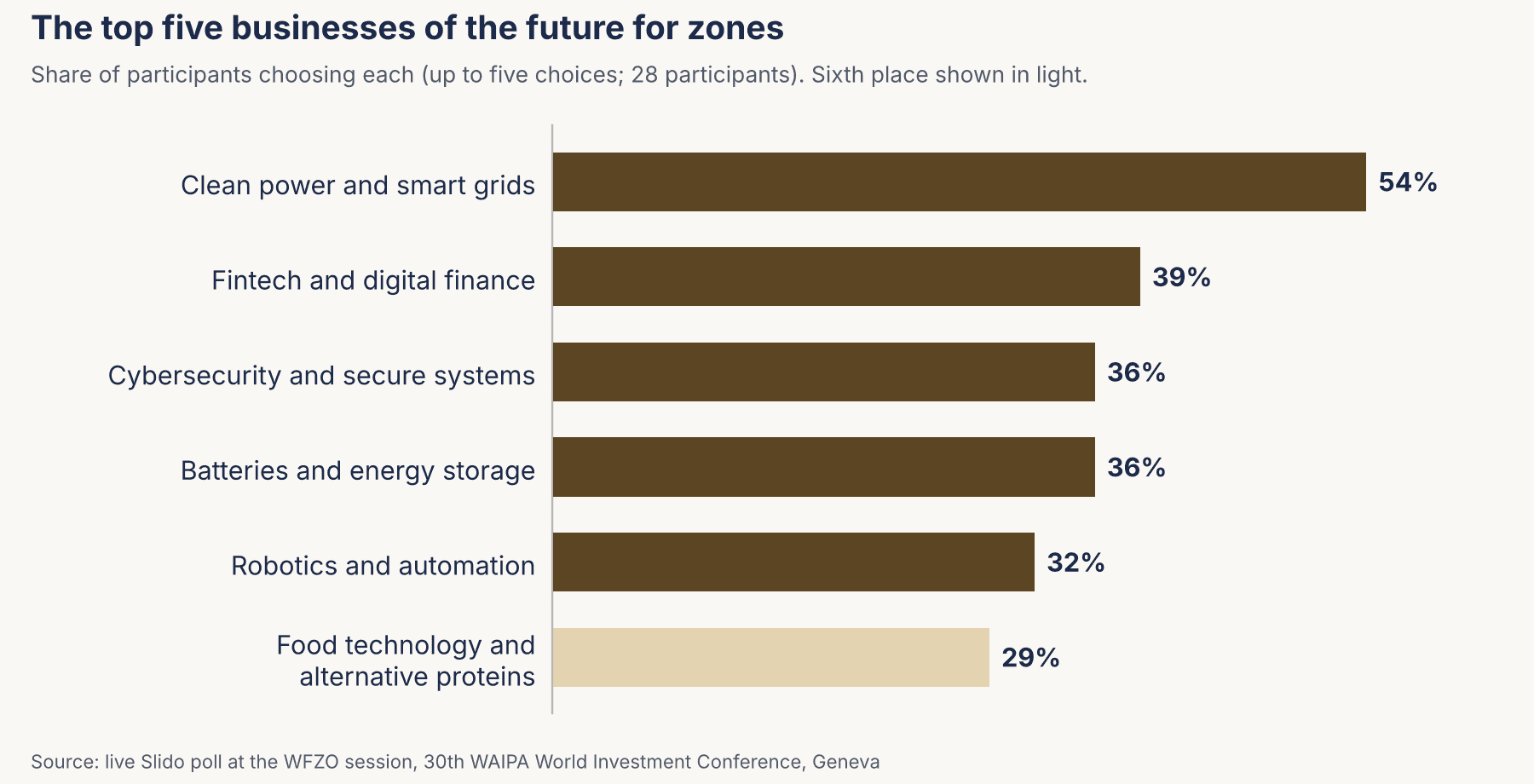 WFZO News
Clean Power, Fintech and Cybersecurity Top the List of Businesses of the Future for Zones
20 November 2026
1 min read
News Desk
World Free Zones Organization
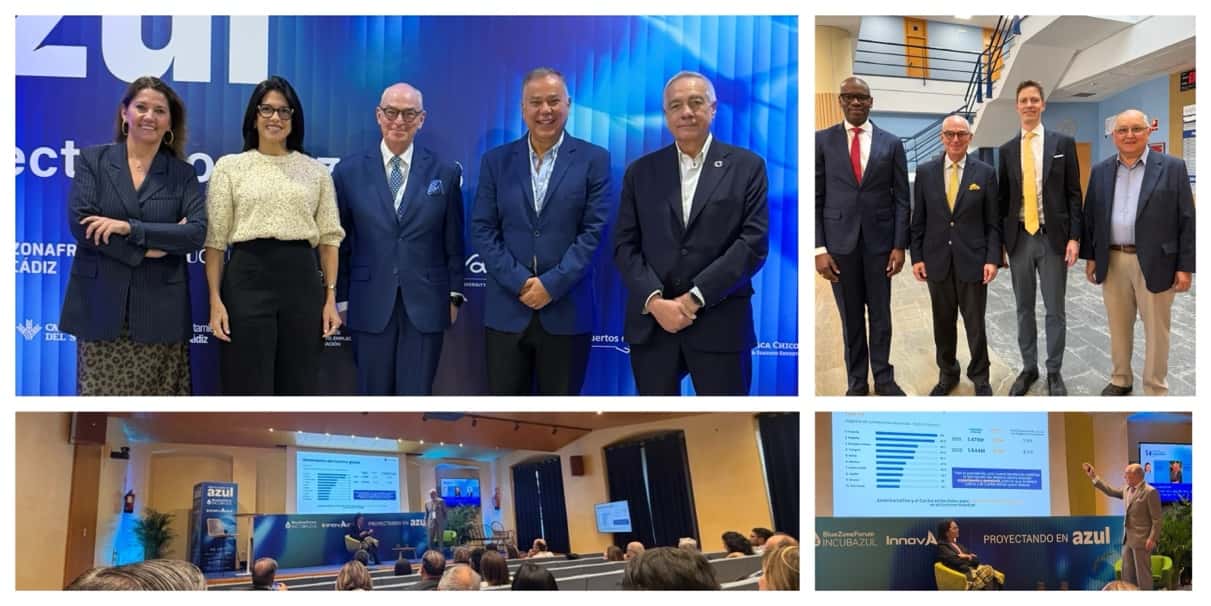 WFZO News
WFZO and AZFA Strengthen Collaboration at the 29th Ibero-American Free Zones Conference in Cádiz
16 November 2026
1 min read
News Desk
World Free Zones Organization
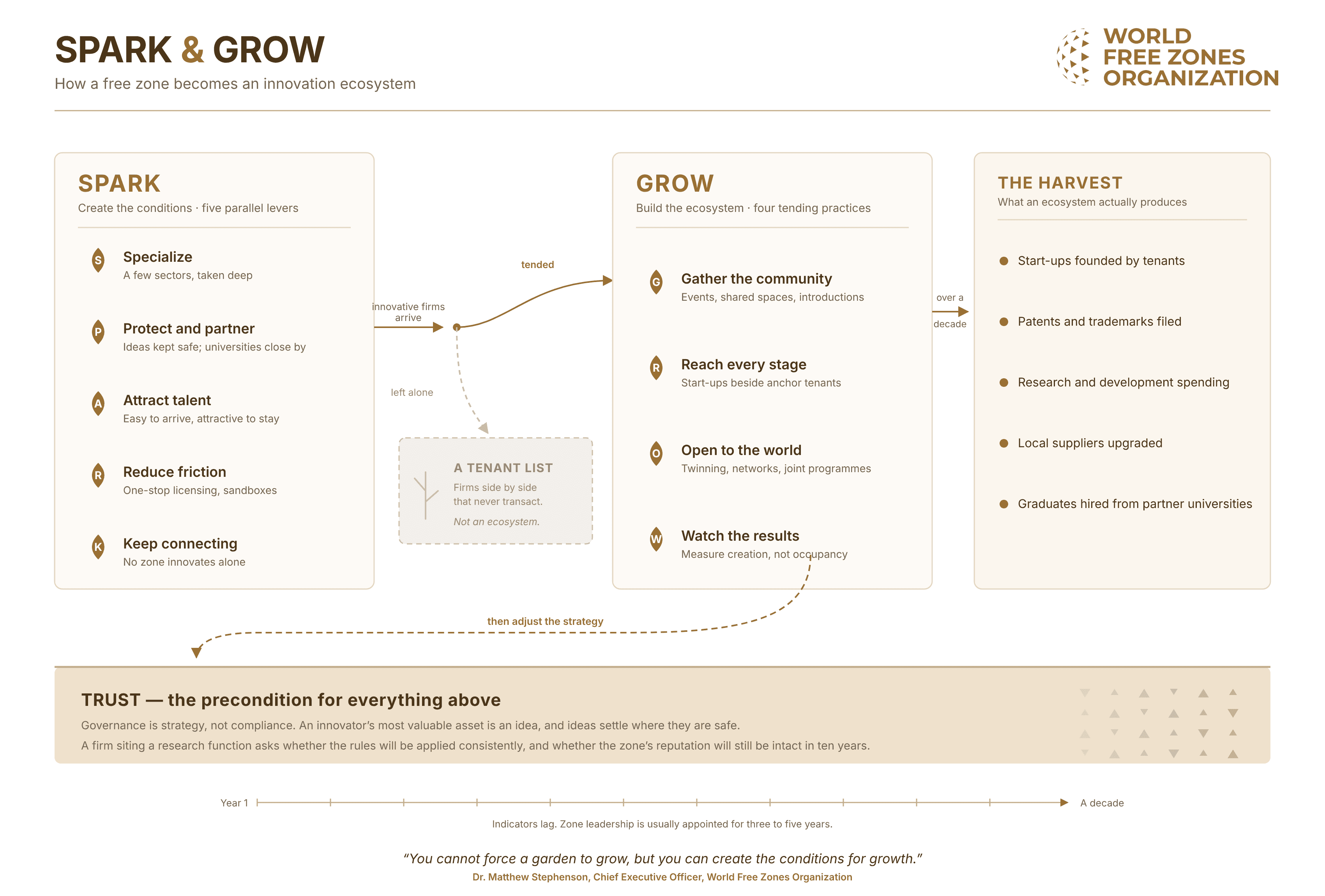 WFZO News
What Makes a Zone Innovative? SPARK Lights the Fire, GROW Keeps It Burning
01 November 2026
1 min read
Dr Matthew Stephenson
World Free Zones Organization
 WFZO News
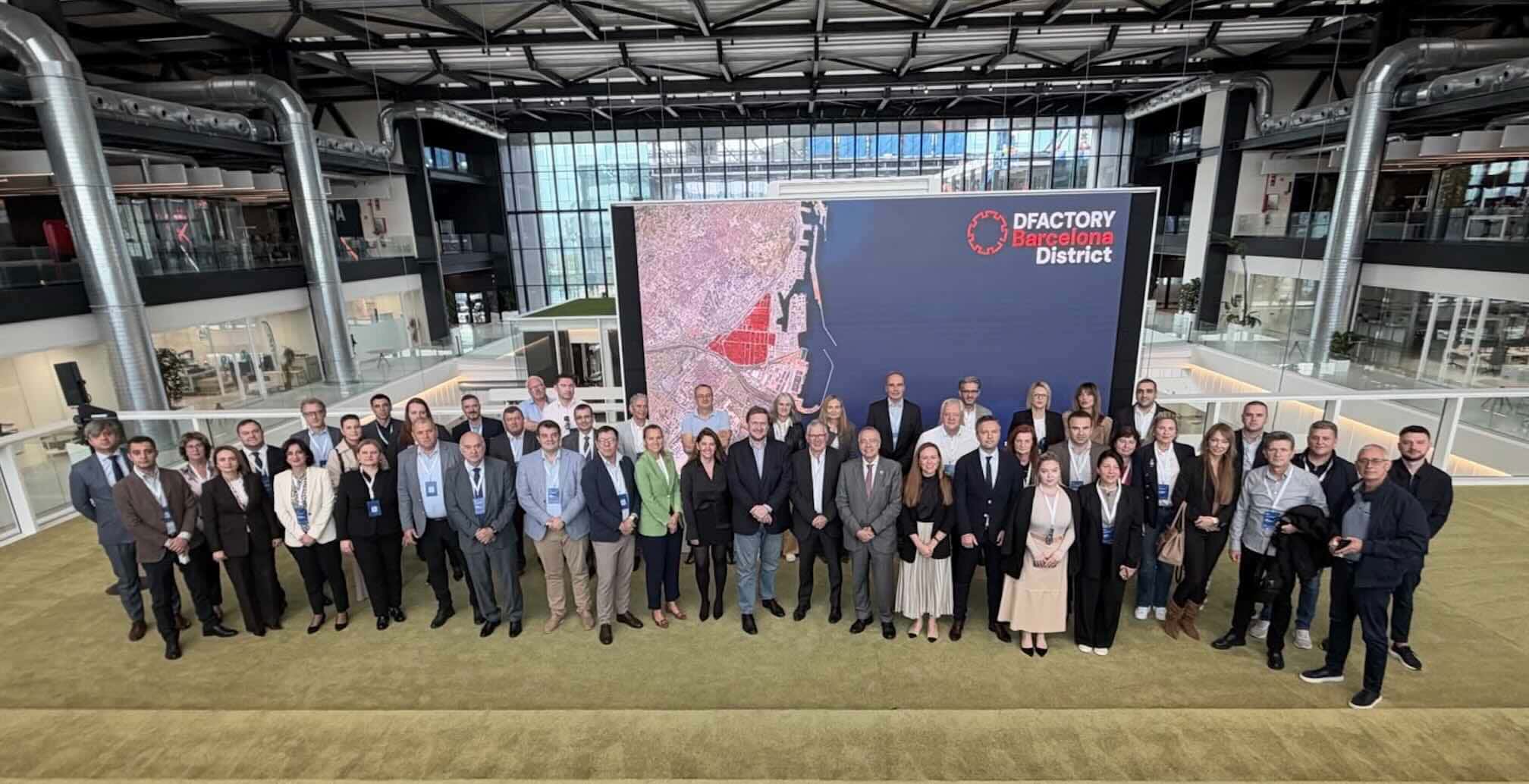
WFZO Joins OECD and EUIPO in Barcelona as Europe’s Free Zones Turn to Innovation
01 November 2026
1 min read
News Desk
World Free Zones Organization
 WFZO News
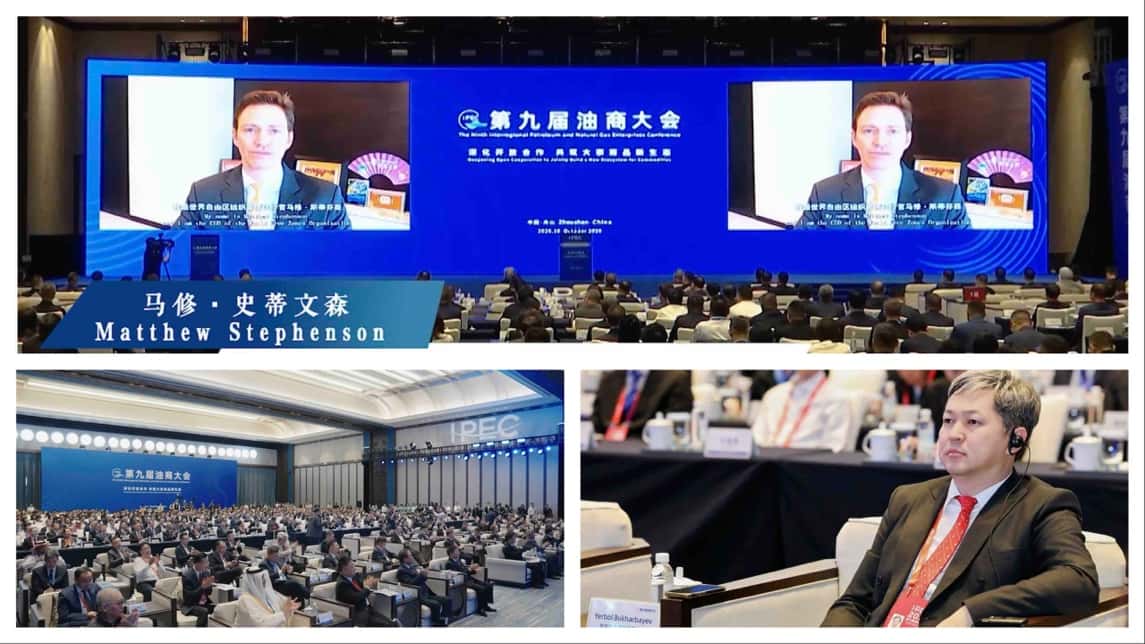
WFZO CEO Dr Matthew Stephenson Underlines the Importance of Innovation in Zones at IPEC 2026
27 October 2026
1 min read
News Desk
World Free Zones Organization
 WFZO News
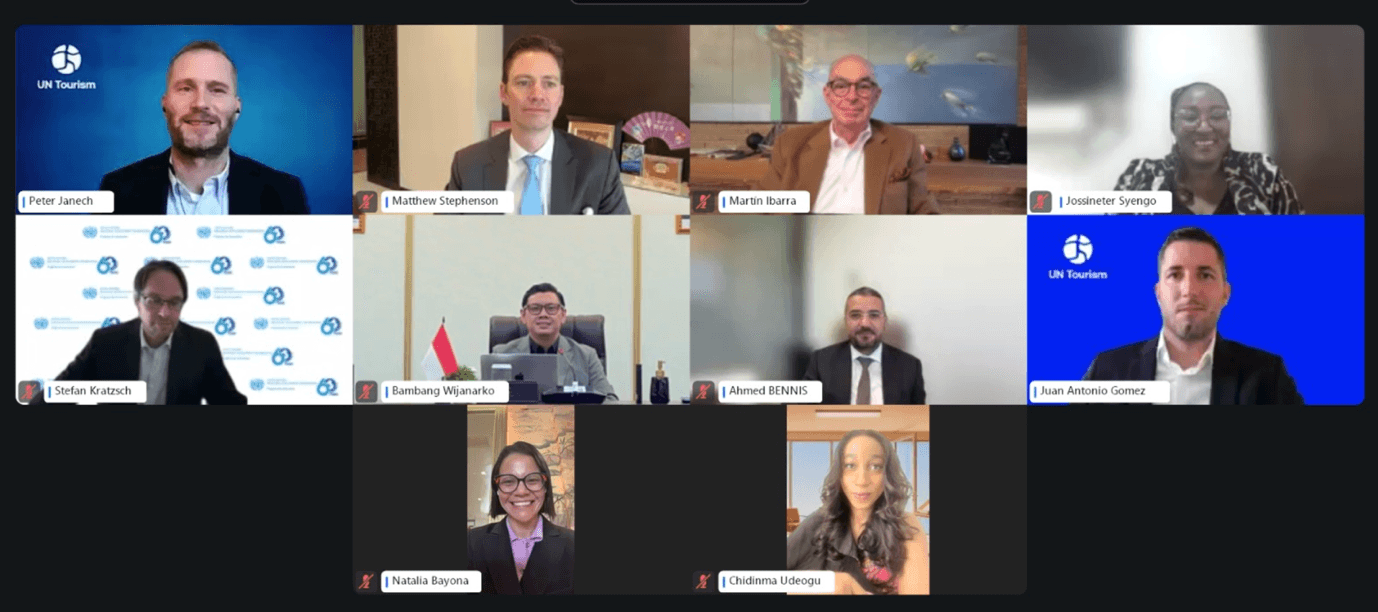
WFZO joins AEZO and UN Tourism webinar on the potential of Tourism Special Economic Zones in Africa
19 October 2026
1 min read
News Desk
World Free Zones Organization
 WFZO News
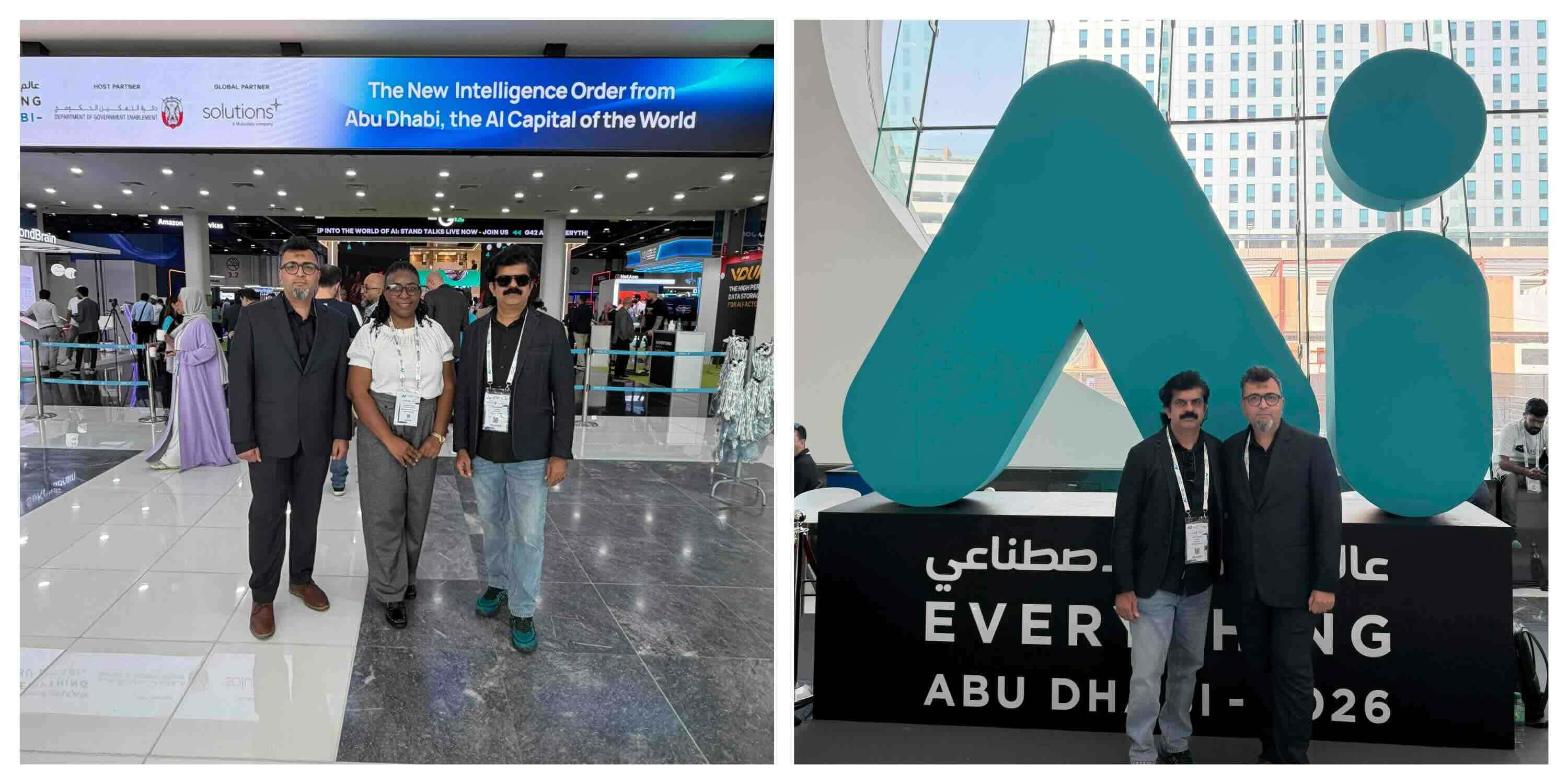
WFZO Team Attends AI Everything Abu Dhabi 2026
09 October 2026
1 min read
News Desk
World Free Zones Organization
 WFZO News
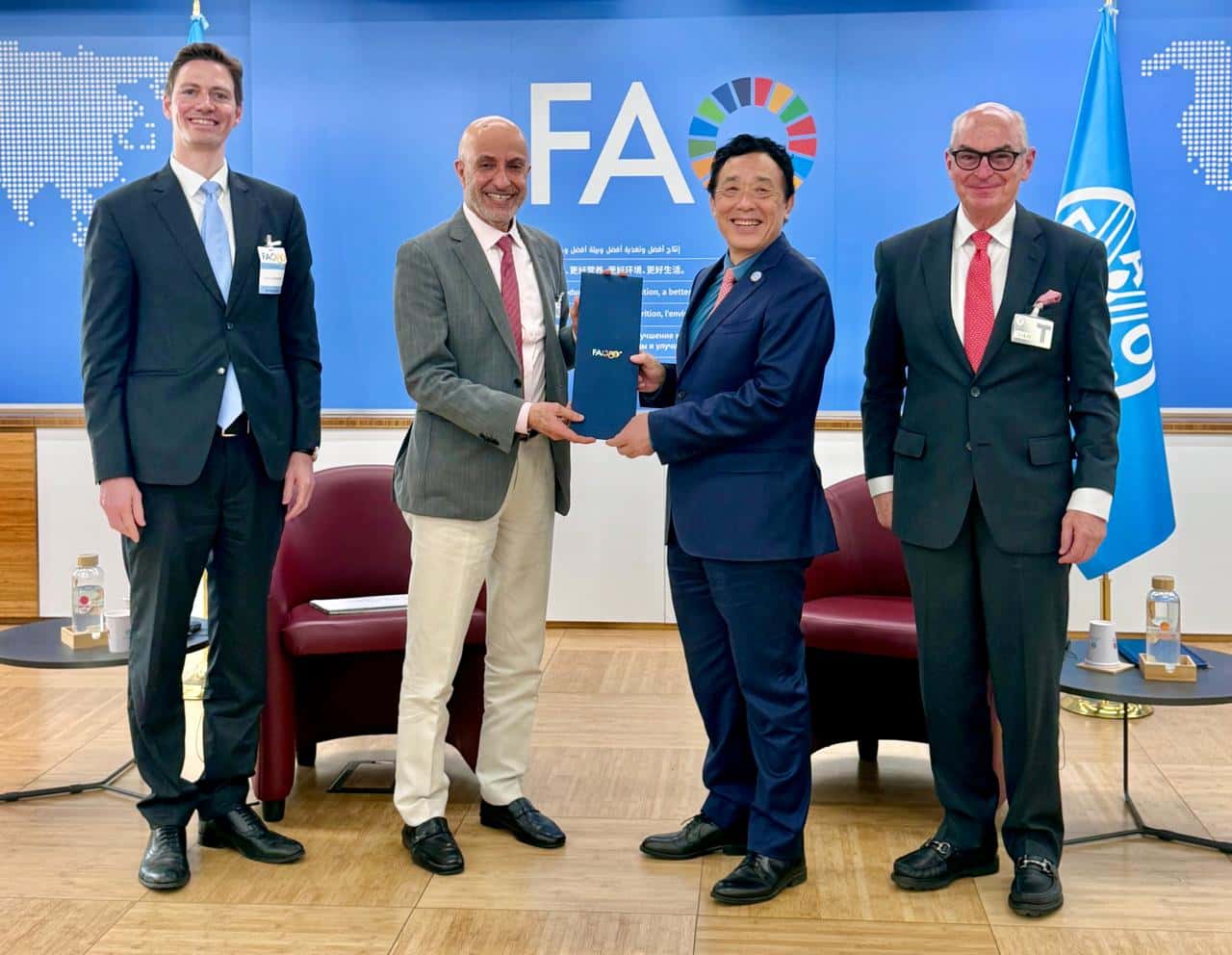
WFZO Chairman Meets FAO Director-General in Rome to Advance Collaboration on Agro-Industrial Parks
01 October 2026
1 min read
News Desk
World Free Zones Organization
 WFZO News
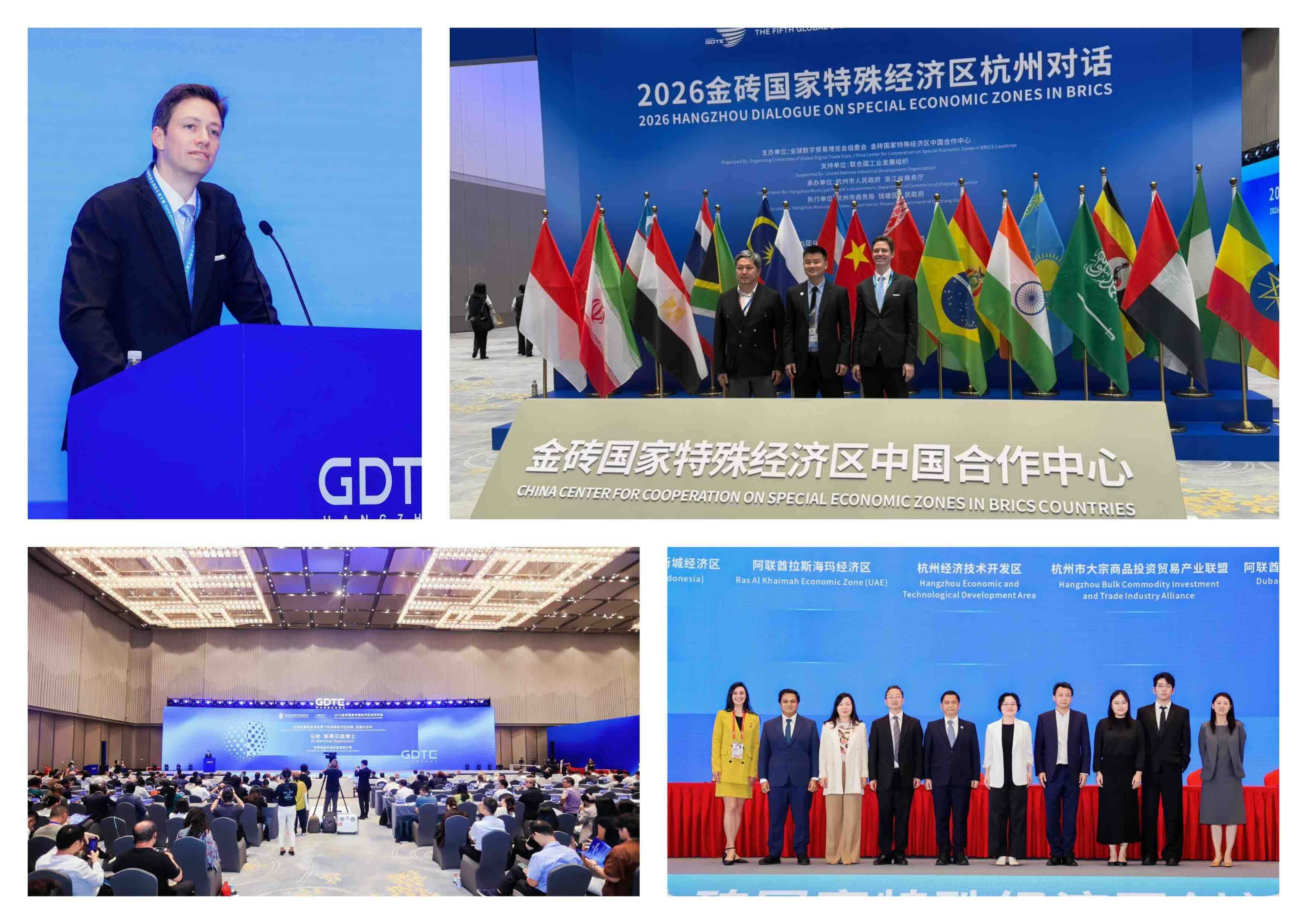
WFZO joins BRICS zone leaders in Hangzhou to build bridges between BRICS zones and the world
28 September 2026
1 min read
News Desk
World Free Zones Organization
 WFZO News
WFZO Puts Economic Zones at the Center of Investment Debate at AIM Congress 2026
11 September 2026
1 min read
News Desk
World Free Zones Organization
 WFZO News
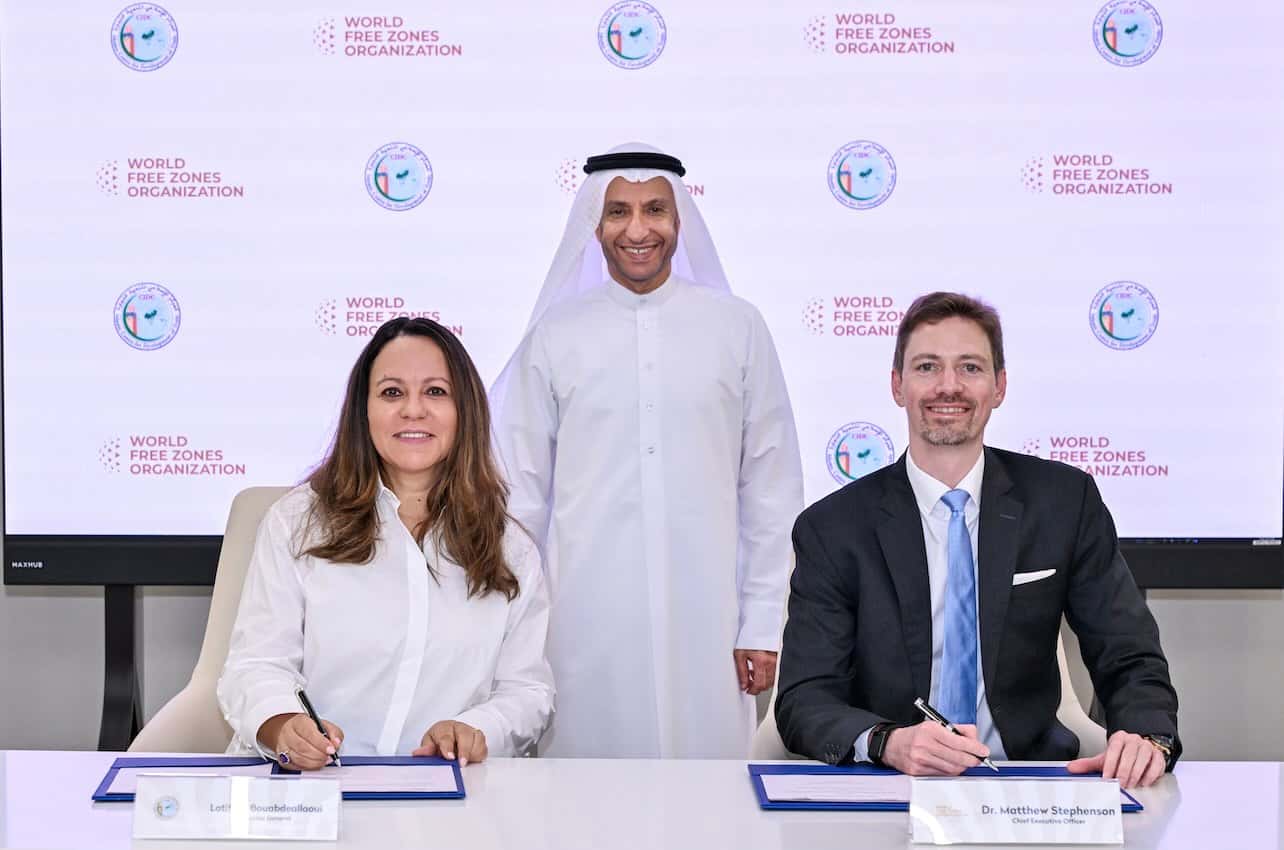
WFZO and ICDT Sign MOU to Strengthen Trade and Investment Cooperation Across the OIC
10 September 2026
1 min read
News Desk
World Free Zones Organization
 WFZO News
WFZO and UN Tourism Bring Together Global Experts to Chart the Future of Tourism Special Economic Zones
05 September 2026
1 min read
News Desk
World Free Zone Organization
 WFZO News
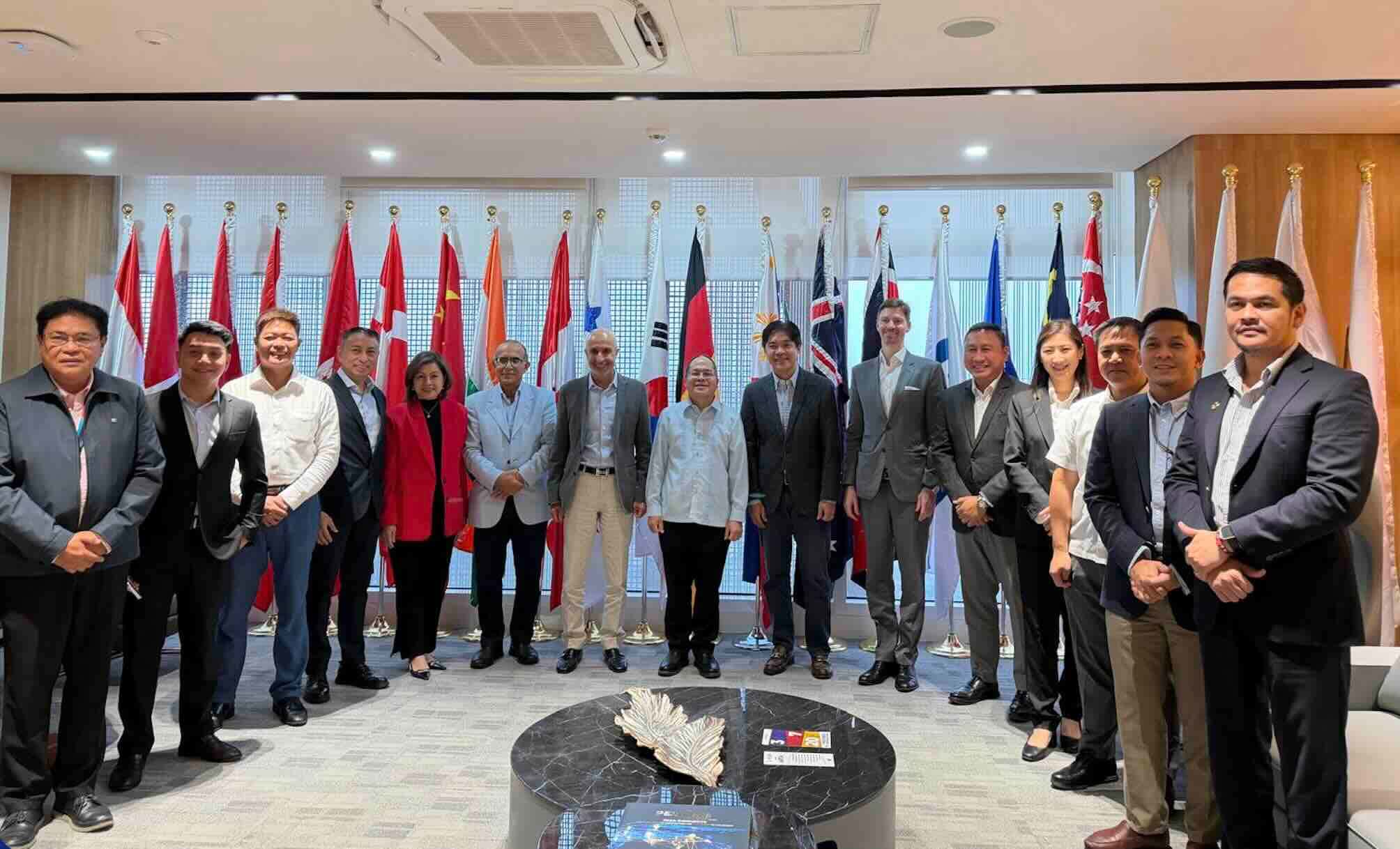
WFZO Visits Thailand, Viet Nam, and the Philippines to Support the Zone Economy
21 August 2026
1 min read
News Desk
World Free Zone Organization
 WFZO News
Insights and Actions for Zones to Thrive in the New Era | Key Insights from the WFZO World Congress 2026
14 August 2026
1 min read
Knowledge Desk
World Free Zone Organization
 WFZO News
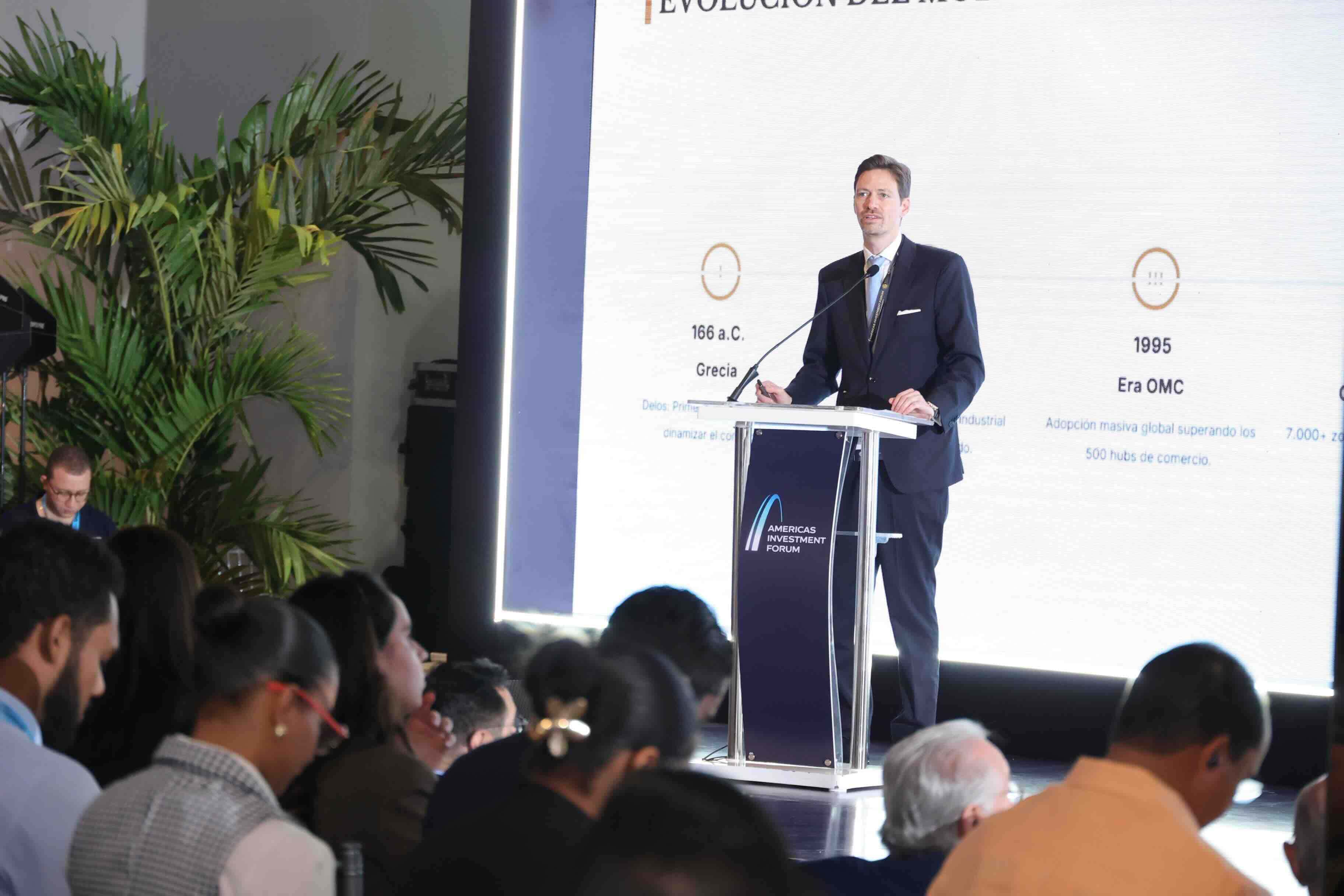
Think Investment. Think Zones: WFZO CEO Calls for a New Global Investment Mindset
14 July 2026
1 min read
World Free Zone Organization
World Free Zone Organization
 WFZO News
Explore the OneZone Platform: Connect, Learn and Unlock Opportunities
19 June 2026
1 min read
Knowledge Desk
World Free Zone Organization
 WFZO News
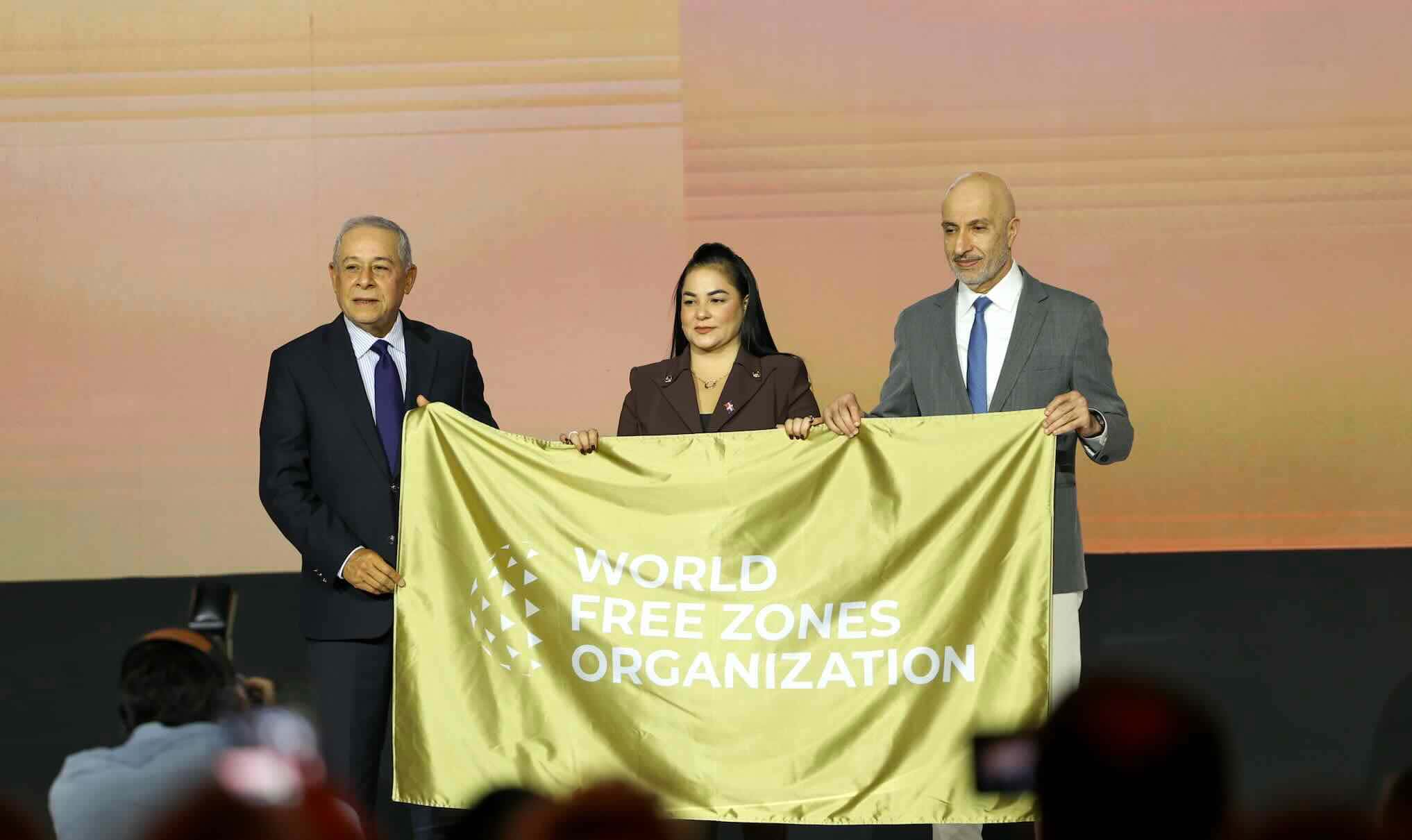
One Zone Platform Launched at World FZO World Congress in Panama
09 June 2026
1 min read
World Free Zone Organization
World Free Zone Organization
 WFZO News
The 12th World FZO World Congress Commences in the Republic of Panama
02 June 2026
1 min read
World Free Zone Organization
World Free Zone Organization
 WFZO News
Building a New Generation of Free Zones
28 April 2026
1 min read
World Free Zone Organization
World Free Zone Organization

Contact Us
Looking for additional insight, research, or media information about WFZO? Contact our team for further details on publications and announcements