WFZO CEO Dr Matthew Stephenson Underlines the Importance of Innovation in Zones at IPEC 2026
Dr Matthew Stephenson, Chief Executive Officer of the World Free Zones Organization (WFZO), addressed the 9th Interregional Petroleum and Natural Gas Enterprises Conference (IPEC 2026) by video message on 22 October 2026. Speaking at the conference held in Zhoushan, China, from 21 to 23 October, he said that innovation in zone design must be complemented by cooperation among economic zones.

In a video address to the 9th Interregional Petroleum and Natural Gas Enterprises Conference (IPEC), WFZO highlights innovation and zone-to-zone partnerships as the foundations for a successful a resilient global commodity ecosystem
Zhoushan, China – 22 October 2026: The World Free Zones Organization (WFZO) took part in the 9th Interregional Petroleum and Natural Gas Enterprises Conference (IPEC 2026), held from 21 to 23 October in Zhoushan, China, with a video address by its Chief Executive Officer, Dr Matthew Stephenson, presented to delegates on 22 October.
Dr Stephenson thanked the organizing committee for the invitation and addressed the conference on behalf of WFZO, the international organization for cooperation on economic zones. WFZO brings together free zones, special economic zones, industrial parks and similar entities from every region of the world to grow trade, investment and innovation. “Our mission is simple: helping zones succeed,” he told delegates.
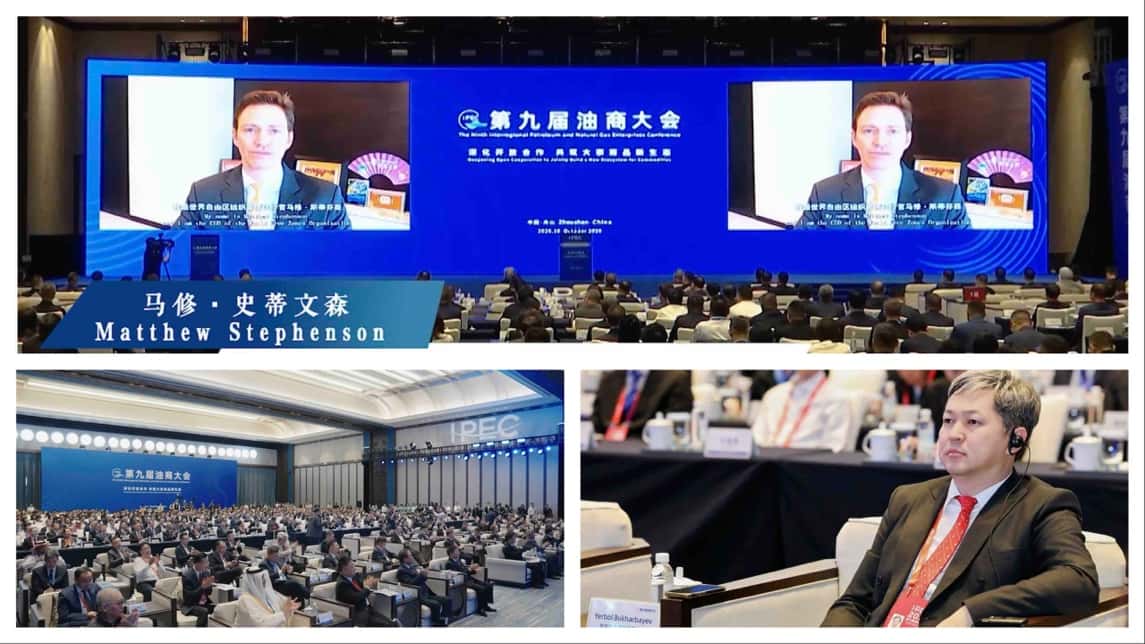
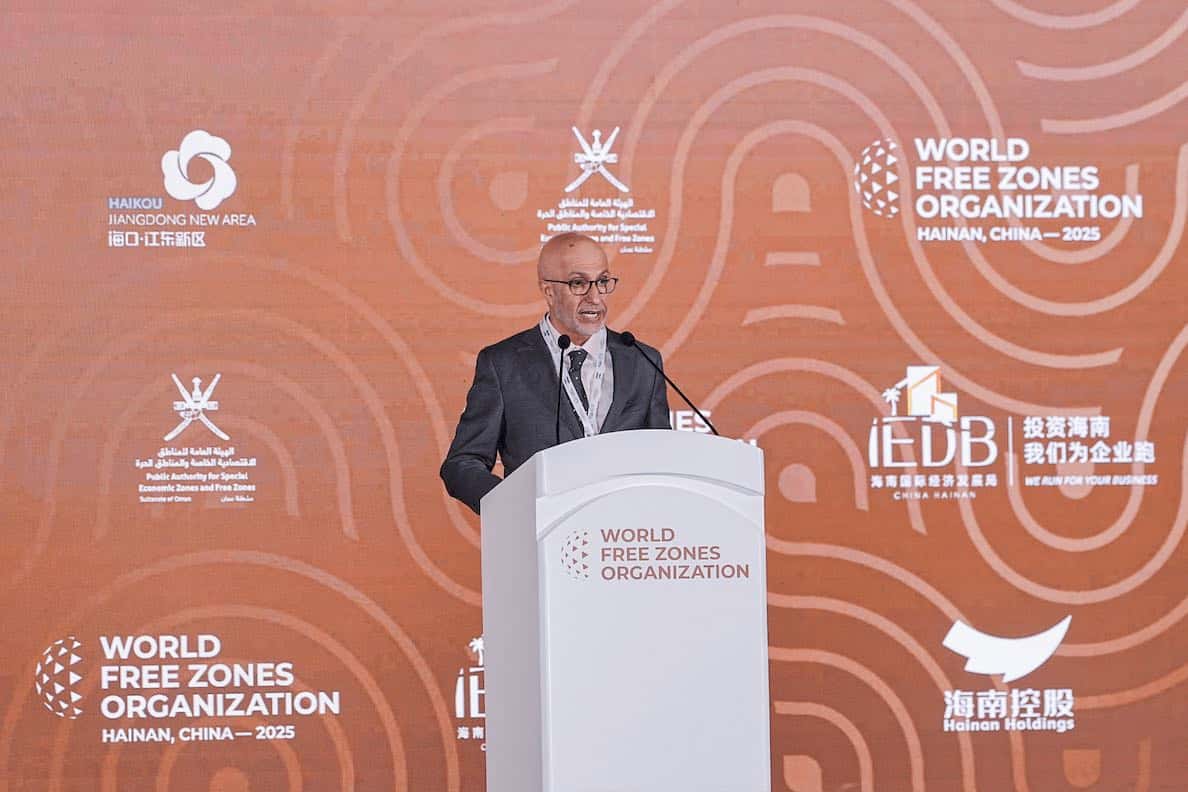
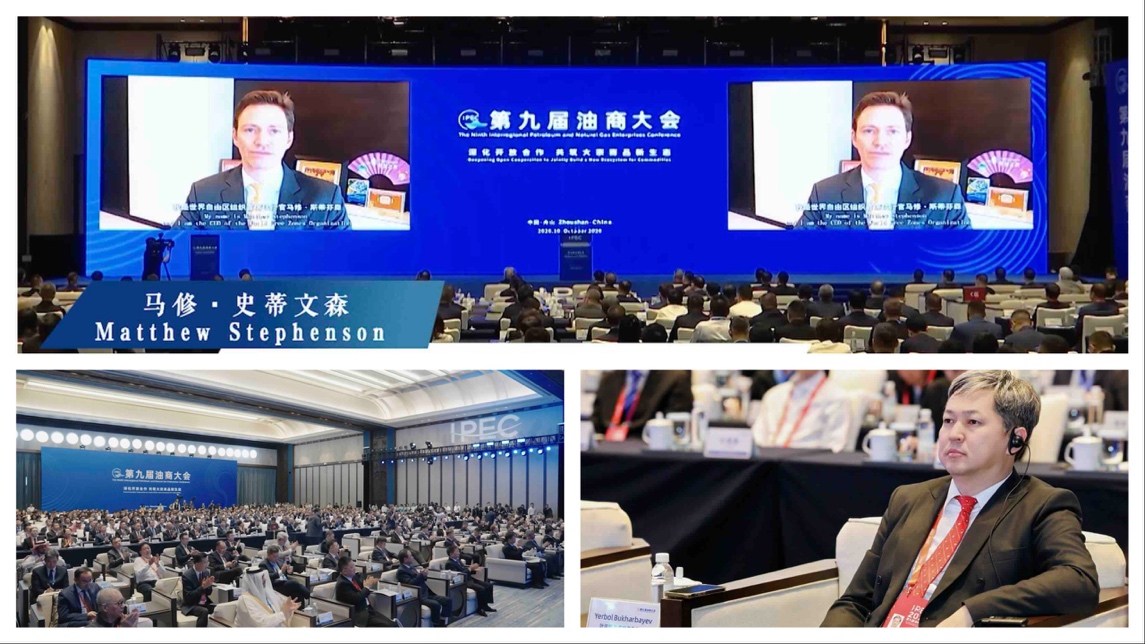 Dr Matthew Stephenson addressing the 9th Interregional Petroleum and Natural Gas Enterprises Conference (IPEC 2026) by video message, Zhoushan, China, 22 October 2026.
Zones have moved far beyond ports and warehouses
Opening his remarks, Dr Stephenson reflected on how economic zones have evolved, and why the commodity ecosystem that IPEC is building stands to benefit.
“Economic zones have changed. They began as ports and warehouses, places to store and move goods more easily. Today they are transforming to welcome the businesses of the future.”
Today, he noted, there are thousands of zones in well over a hundred economies, hosting industry, logistics, finance, technology and services. The strongest are no longer defined by incentives alone, but by the quality of their ecosystem: efficient services, predictable rules, skilled people and strong connections to global markets.
Innovation is the new gold
He explained that the zones that innovate will stay ahead, and keep their economies competitive.
“At a commodities conference, we are used to counting what is dug from the ground, grown in a field or shipped across the sea. But today, the scarcest resource is the ability to innovate: to learn faster, adapt faster and stay ahead. In this global economy, that is worth more than gold. Special economic zones can turbocharge it.”
Three innovations driving change
Digitalization. Leading zones are moving from paper to digital, through single-window services, electronic documents, and connected customs and logistics data. For companies that trade, store and ship commodities, where speed and trust are everything, this lowers cost and risk.
Sustainability. Dr Stephenson described zones as natural testing grounds for green marine fuels, sustainable aviation fuel, shore power, new energy, and credible carbon measurement and certification.
“A zone can offer a clear regulatory space where new infrastructure, new standards and new business models can be tried at scale, and then shared.”
He welcomed the direction already taken by Zhoushan and the conference, citing the Zhoushan Declaration on Green Marine Fuel Development and the focus on green, low-carbon and sustainable commodity markets.
Building ecosystems. Zones are increasingly designed as places where industry, services, innovation and sustainability reinforce each other, rather than as isolated enclaves. “The goal is not only to attract investment, but to create ecosystems underscored by lasting value for the surrounding economy and community,” he said.
“Innovation alone is not enough”
Dr Stephenson stressed that innovation must be paired with open cooperation, particularly in commodity value chains, which span many countries.
Energy, grain, metals and other goods move through ports, storage terminals, trading hubs, processing clusters and shipping lanes in many countries, he noted, and no single zone can serve the whole chain.
“Commodity value chains do not stop at borders. No single zone can cover the whole chain. The zones that will succeed are those that connect: with each other, with their regions, and with global partners.”
Cooperation between zones, he explained, can take many forms: sharing good practices on regulation and operations; learning from one another on safety, sustainability and digital services; building partnerships between zone operators and the companies that work in them; and opening doors so that a zone in one region can build relationships with zones and enterprises in another.
He pointed to Zhoushan as an example of what a zone can achieve. “Zhoushan, with its deep-water port and the Zhejiang Pilot Free Trade Zone, has built a strong commodity trade and marine services hub,” he said, adding that he was confident the conference would strengthen those connections further.
The way ahead
Dr Stephenson closed with explaining that the WFZO works with regional associations, zone operators, governments and international organizations to exchange knowledge, promote good practices and build bridges between zones across the world. He welcomed deeper engagement between the zone, business, and officials present in the World Free Zones Organization community.
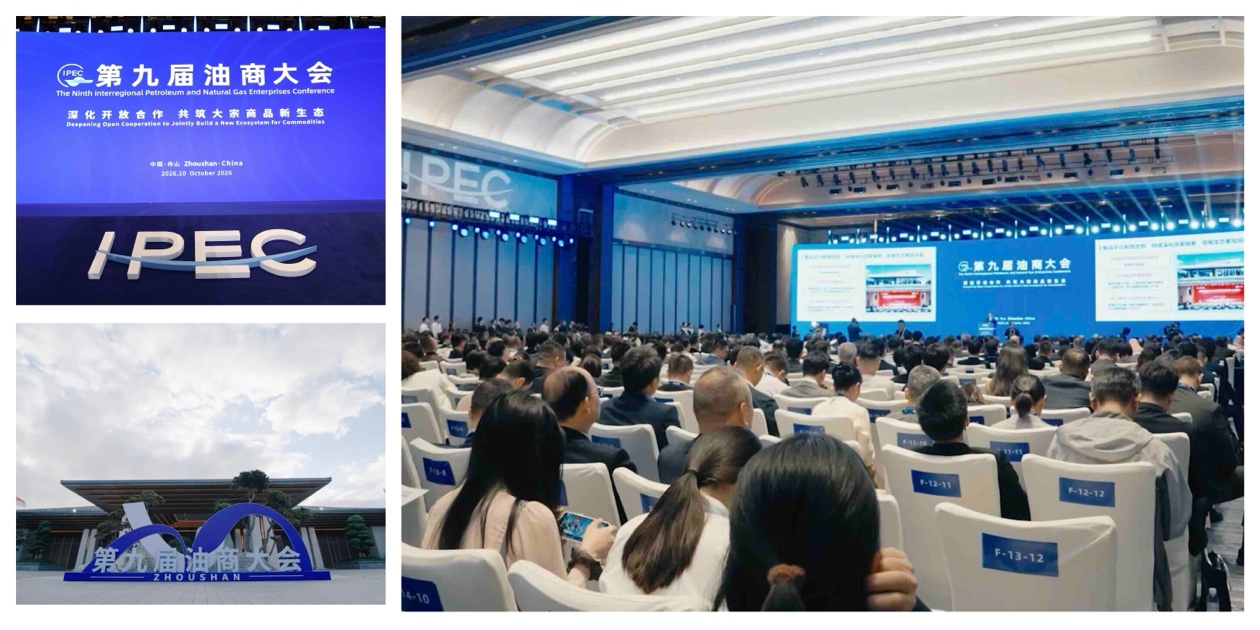 The 9th Interregional Petroleum and Natural Gas Enterprises Conference (IPEC 2026), held in Zhoushan, China, from 21 to 23 October 2026.
About IPEC 2026
The Interregional Petroleum and Natural Gas Enterprises Conference (IPEC) is an industry gathering hosted in Zhoushan, China, bringing together shipowners, bunker suppliers, traders, ports, financial institutions, technology providers and industry associations. Zhoushan is China’s largest bunkering port, and the 9th edition, held from 21 to 23 October 2026, drew nearly 500 representatives and centered on the city’s ambition to become a leading bonded marine fuel bunkering hub.
Featured Publications
 WFZO News
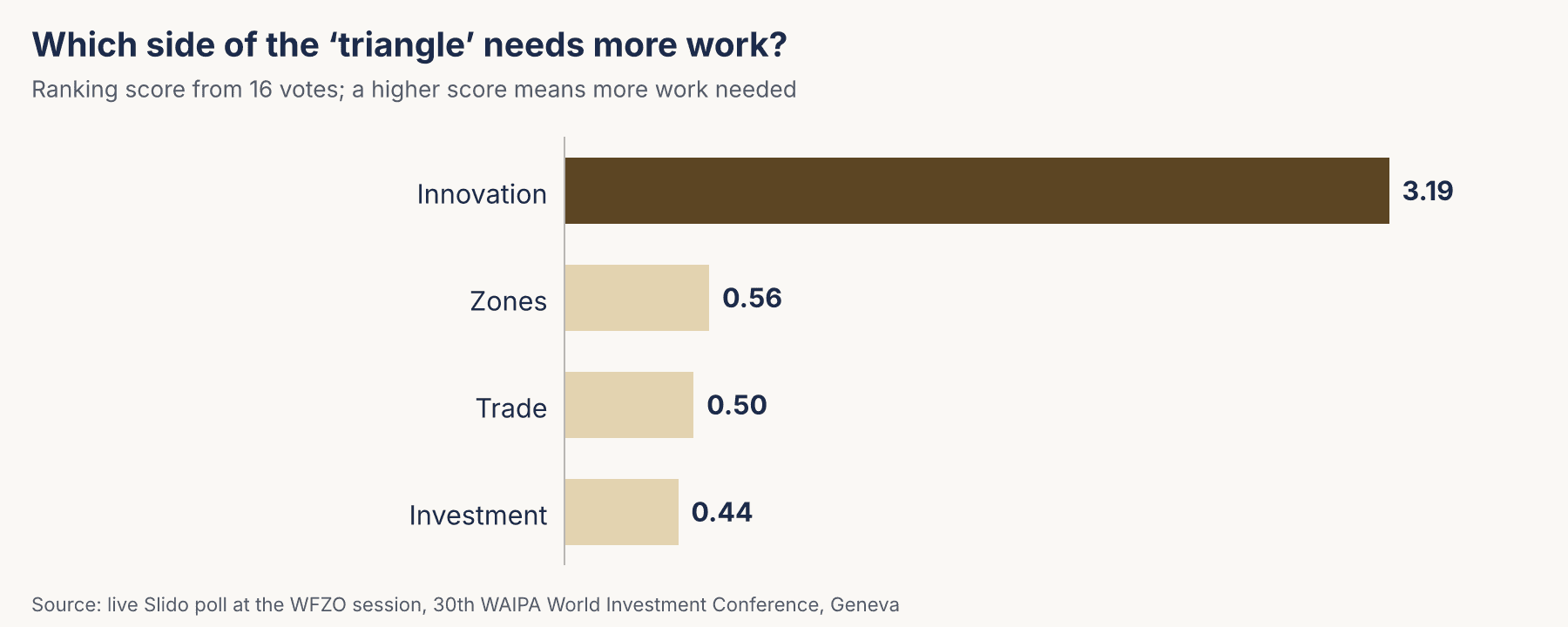
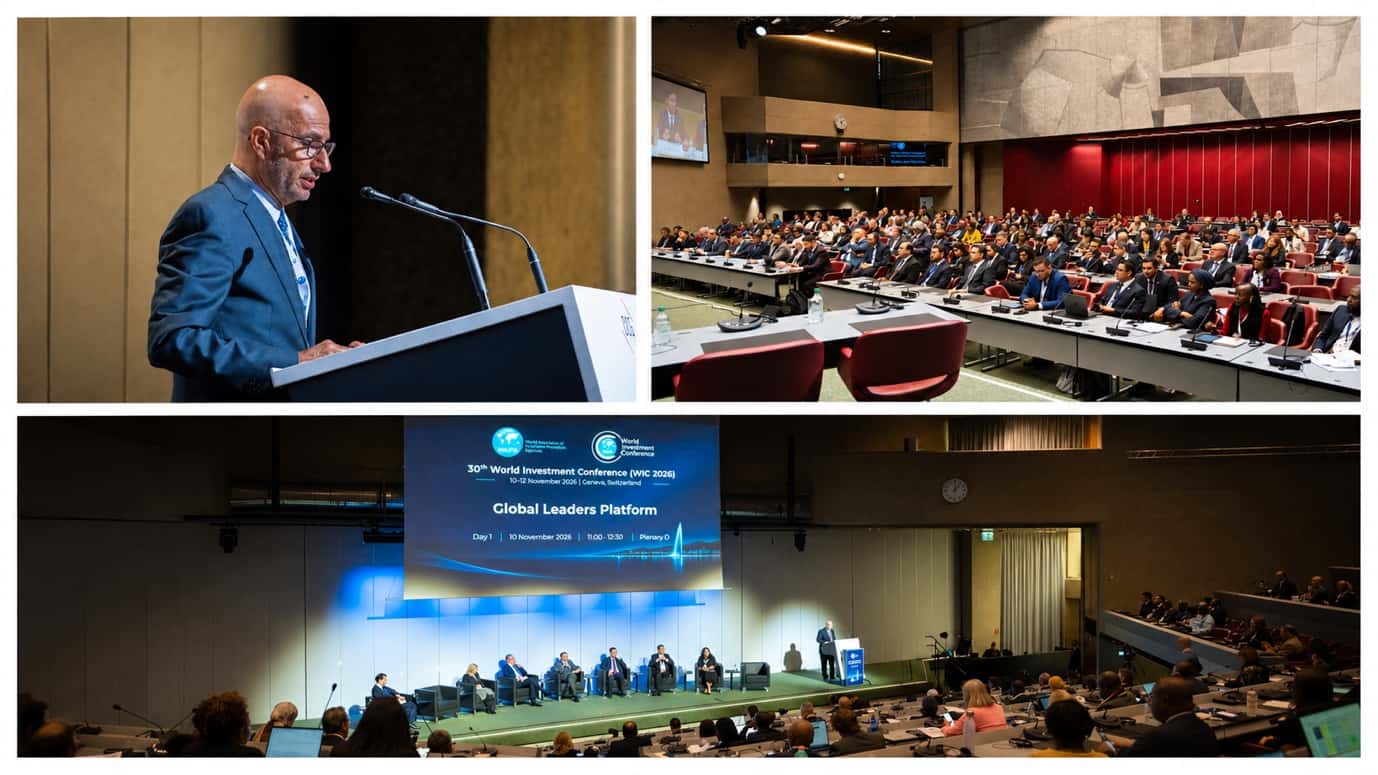
Four Sides of a Triangle: How zones connect investment, trade and innovation
20 November 2026
1 min read

News Desk
World Free Zones Organization
 WFZO News
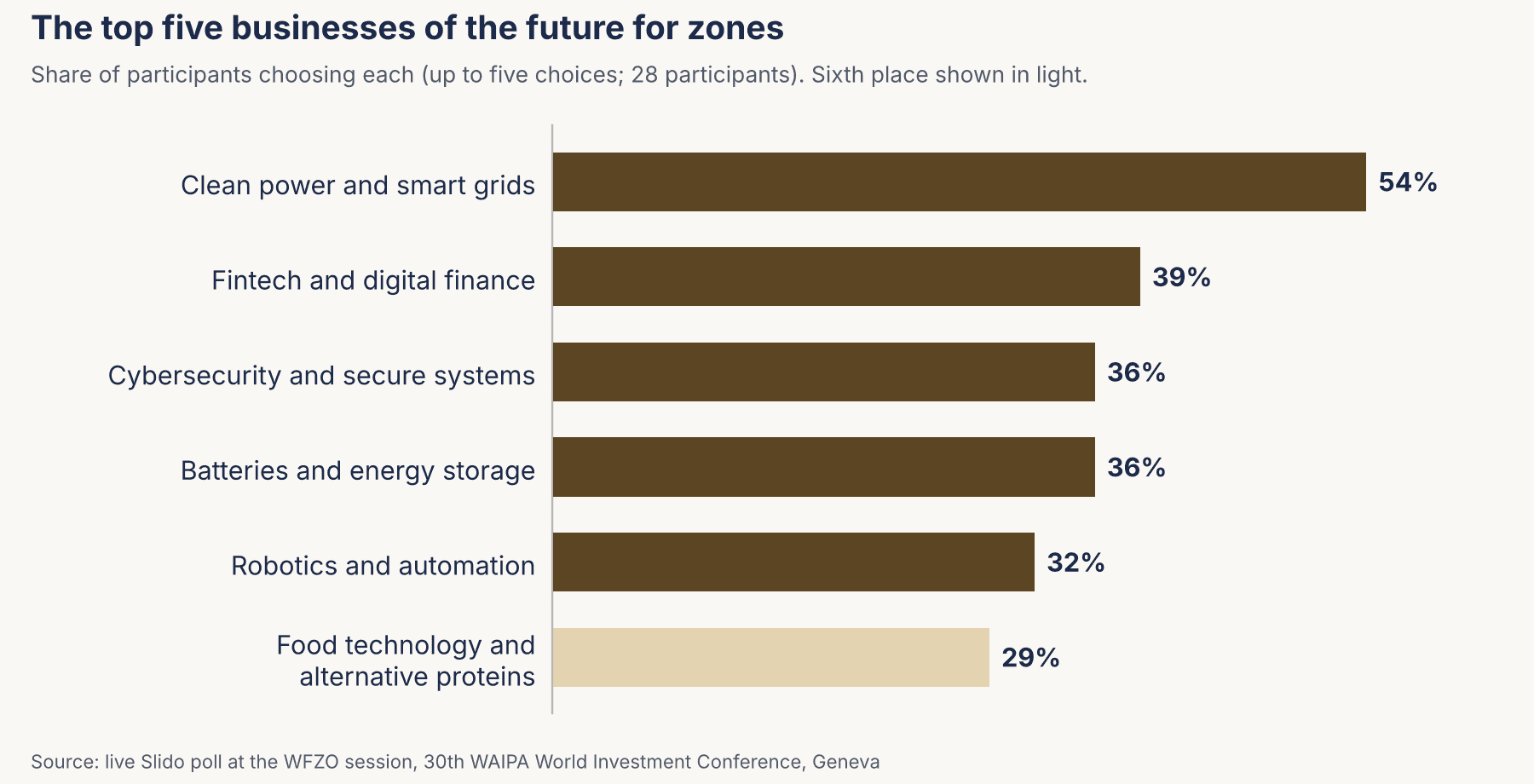
WFZO Champions the Partnership Between Investment Promotion and Economic Zones at the 30th WAIPA World Investment Conference
20 November 2026
1 min read
News Desk
World Free Zones Organization
 WFZO News
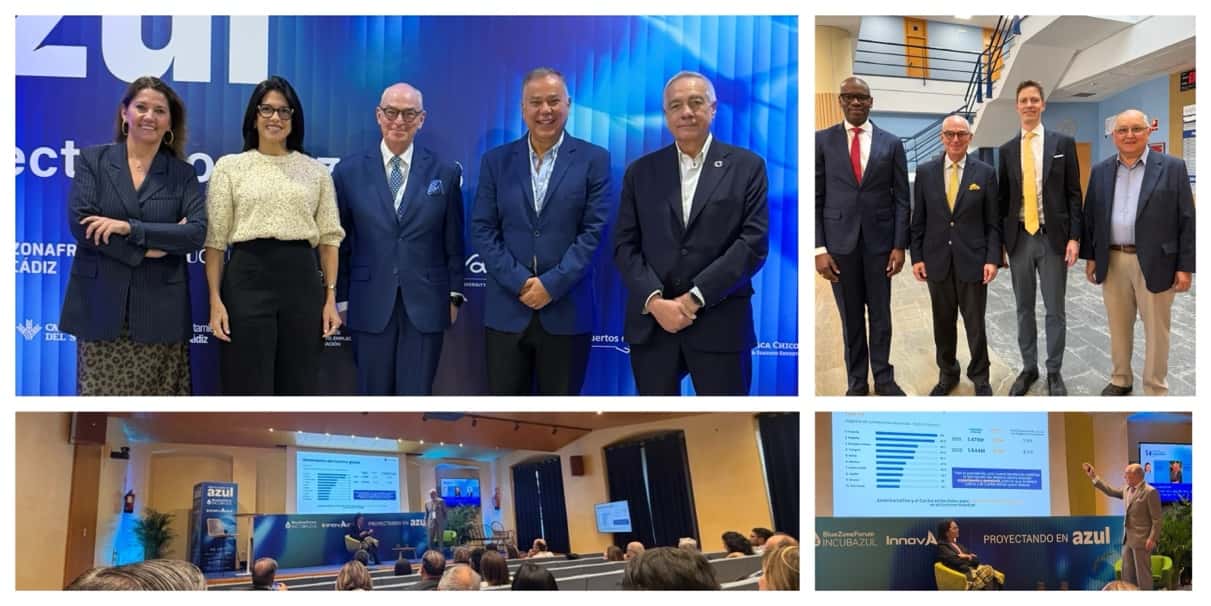
Clean Power, Fintech and Cybersecurity Top the List of Businesses of the Future for Zones
20 November 2026
1 min read
News Desk
World Free Zones Organization
 WFZO News
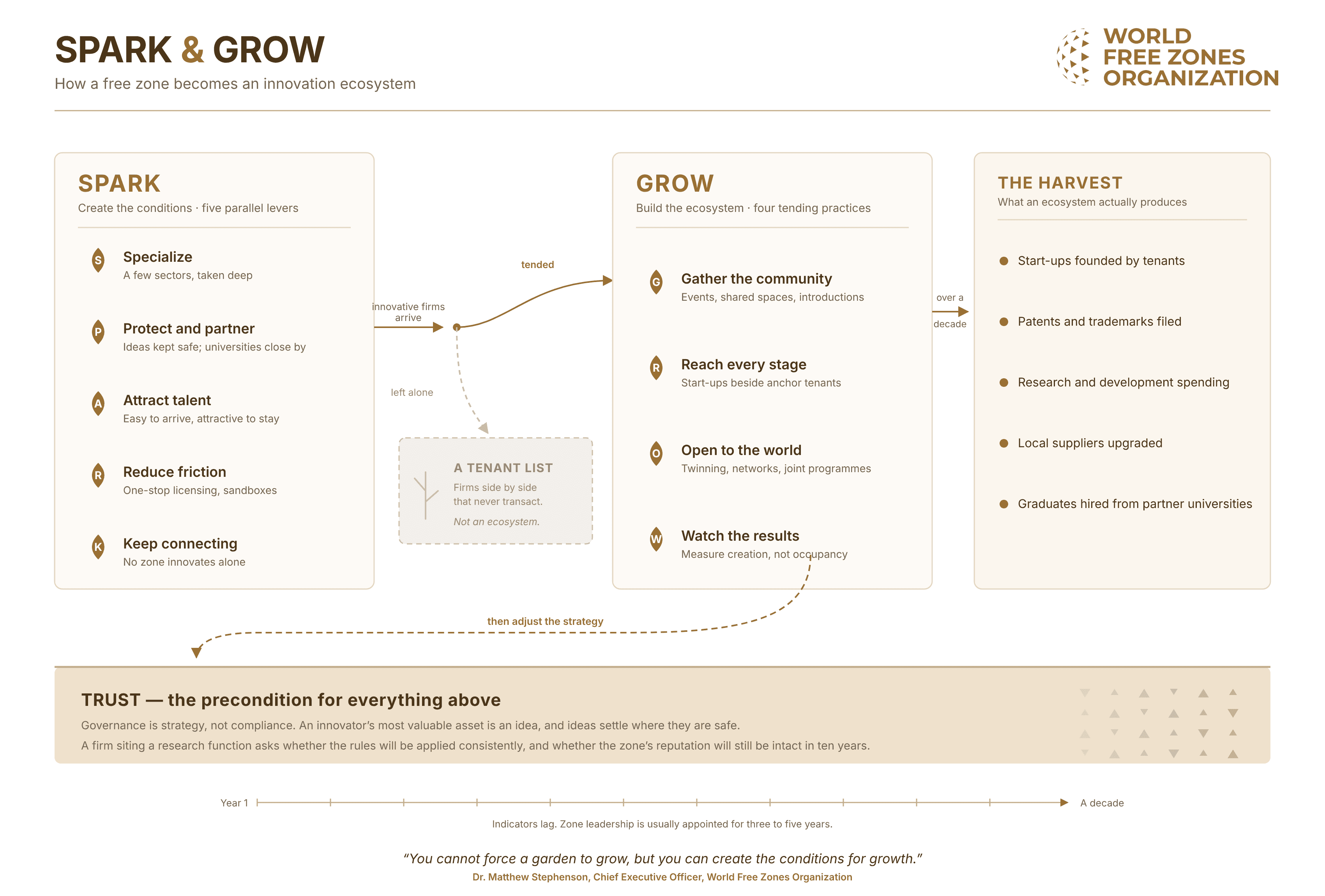
WFZO and AZFA Strengthen Collaboration at the 29th Ibero-American Free Zones Conference in Cádiz
16 November 2026
1 min read
News Desk
World Free Zones Organization
 WFZO News
What Makes a Zone Innovative? SPARK Lights the Fire, GROW Keeps It Burning
01 November 2026
1 min read
Dr Matthew Stephenson
World Free Zones Organization
 WFZO News
WFZO Joins OECD and EUIPO in Barcelona as Europe’s Free Zones Turn to Innovation
01 November 2026
1 min read
News Desk
World Free Zones Organization
 WFZO News
WFZO CEO Dr Matthew Stephenson Underlines the Importance of Innovation in Zones at IPEC 2026
27 October 2026
1 min read
News Desk
World Free Zones Organization
 WFZO News
WFZO joins AEZO and UN Tourism webinar on the potential of Tourism Special Economic Zones in Africa
19 October 2026
1 min read
News Desk
World Free Zones Organization
 WFZO News
WFZO Team Attends AI Everything Abu Dhabi 2026
09 October 2026
1 min read
News Desk
World Free Zones Organization
 WFZO News
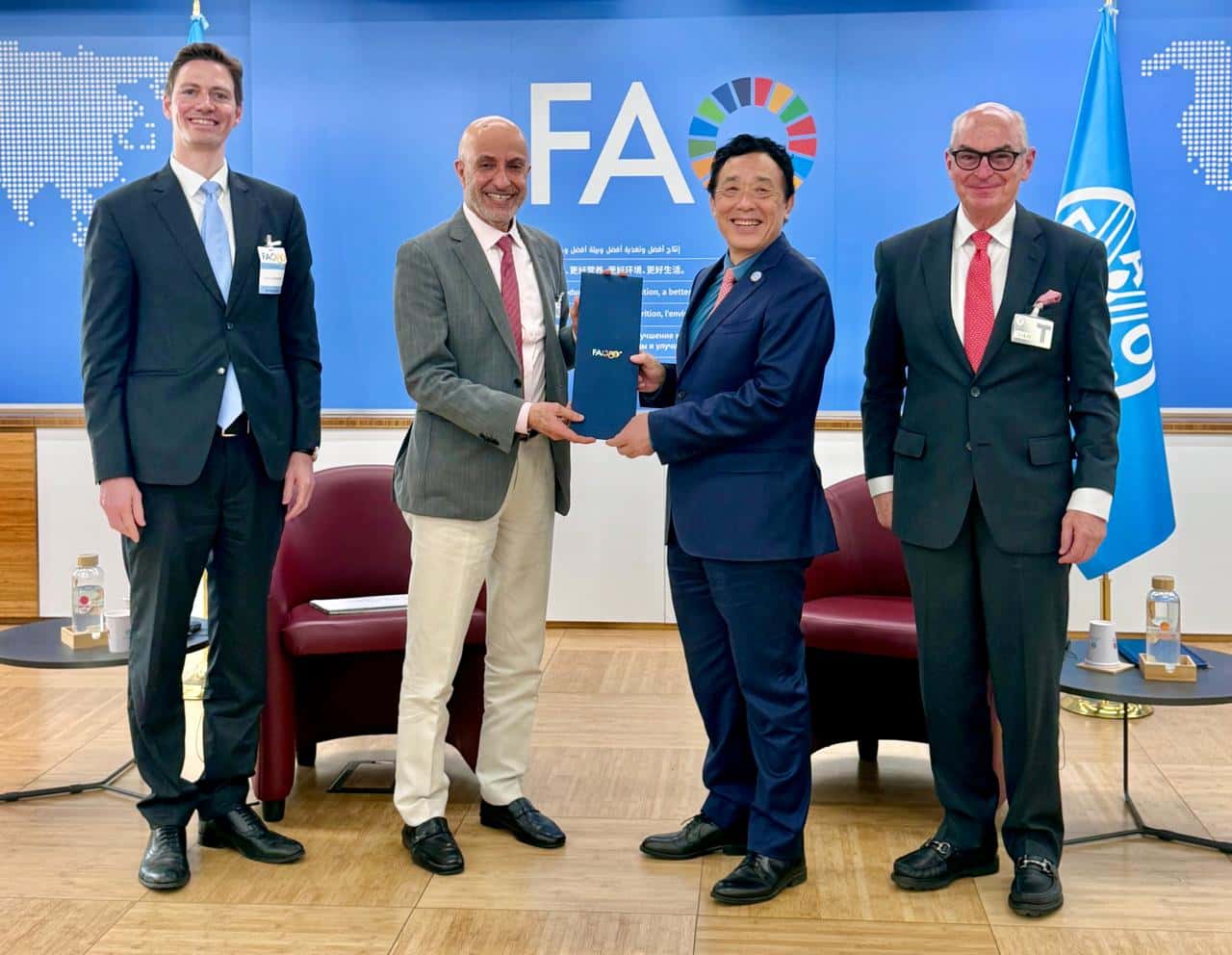
WFZO Chairman Meets FAO Director-General in Rome to Advance Collaboration on Agro-Industrial Parks
01 October 2026
1 min read
News Desk
World Free Zones Organization
 WFZO News
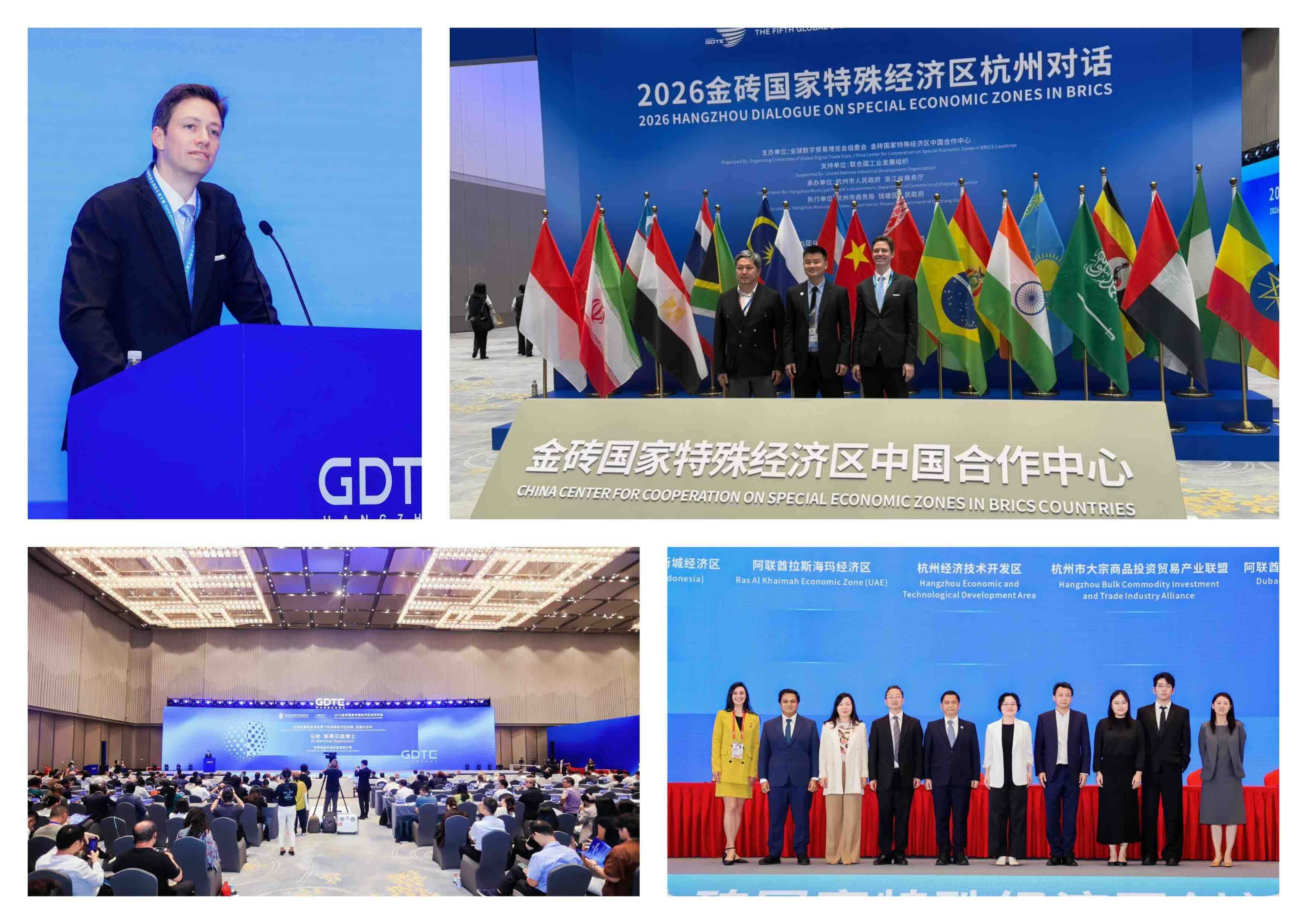
WFZO joins BRICS zone leaders in Hangzhou to build bridges between BRICS zones and the world
28 September 2026
1 min read
News Desk
World Free Zones Organization
 WFZO News
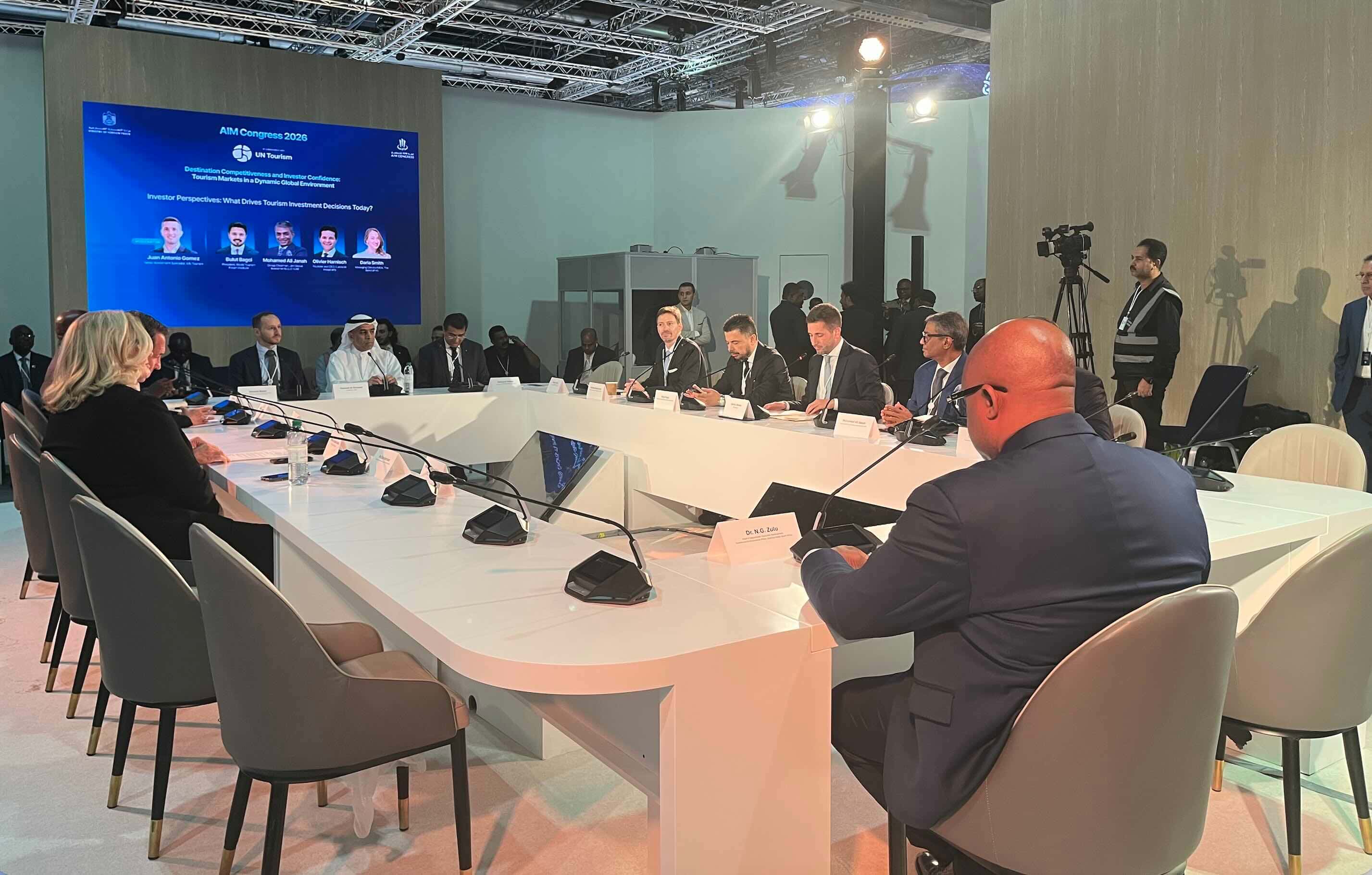
WFZO Puts Economic Zones at the Center of Investment Debate at AIM Congress 2026
11 September 2026
1 min read
News Desk
World Free Zones Organization
 WFZO News
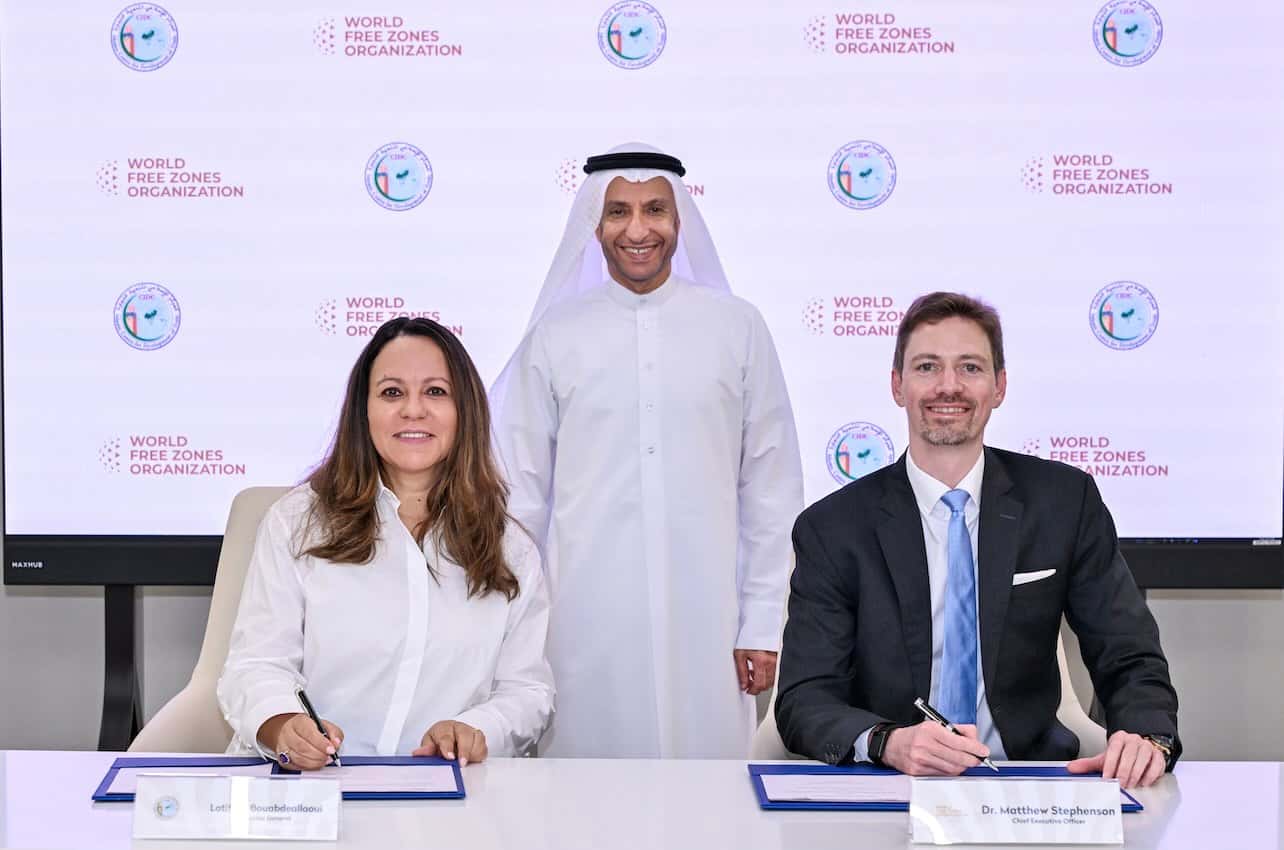
WFZO and ICDT Sign MOU to Strengthen Trade and Investment Cooperation Across the OIC
10 September 2026
1 min read
News Desk
World Free Zones Organization
 WFZO News
WFZO and UN Tourism Bring Together Global Experts to Chart the Future of Tourism Special Economic Zones
05 September 2026
1 min read
News Desk
World Free Zone Organization
 WFZO News
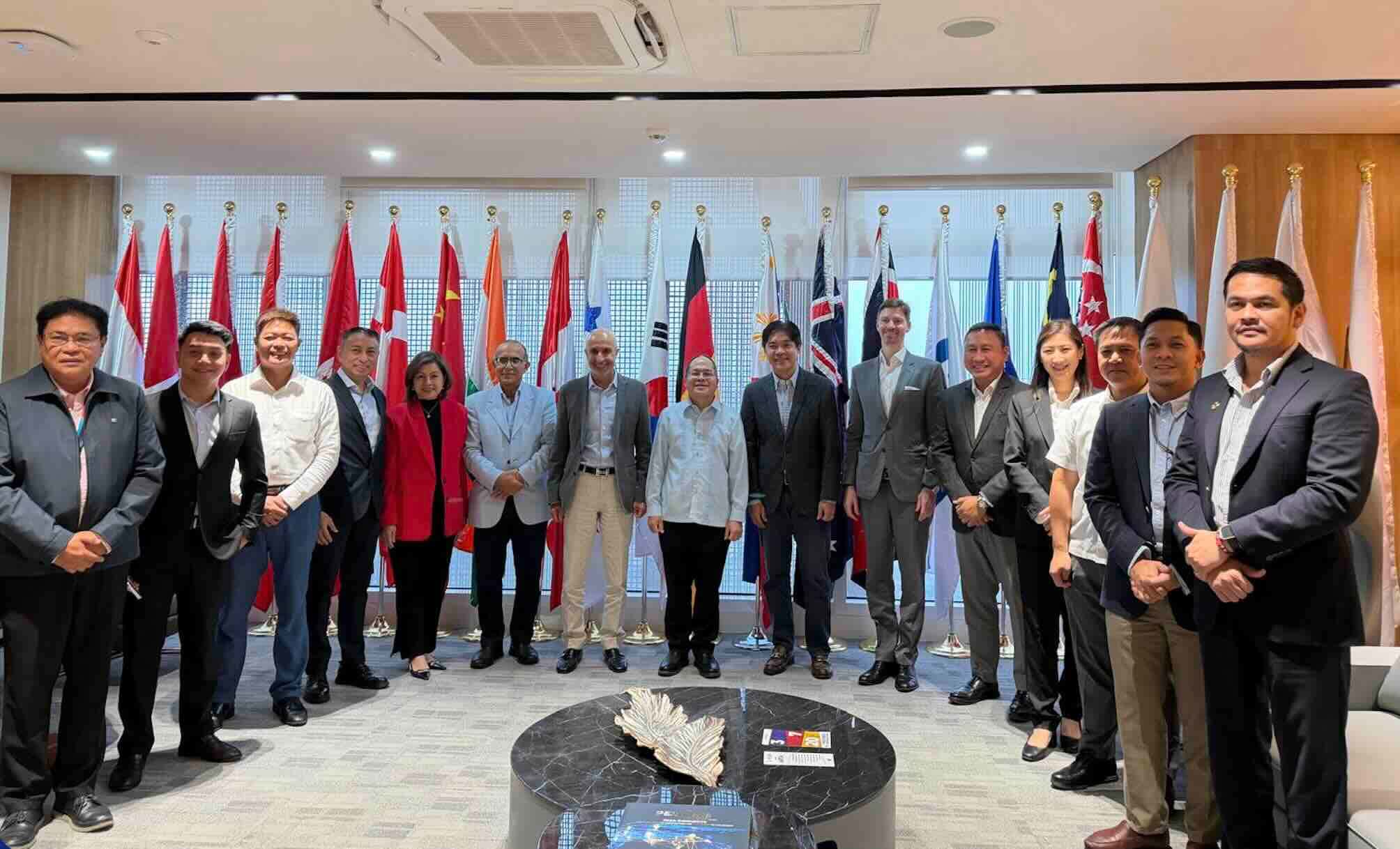
WFZO Visits Thailand, Viet Nam, and the Philippines to Support the Zone Economy
21 August 2026
1 min read
News Desk
World Free Zone Organization
 WFZO News
Insights and Actions for Zones to Thrive in the New Era | Key Insights from the WFZO World Congress 2026
14 August 2026
1 min read
Knowledge Desk
World Free Zone Organization
 WFZO News
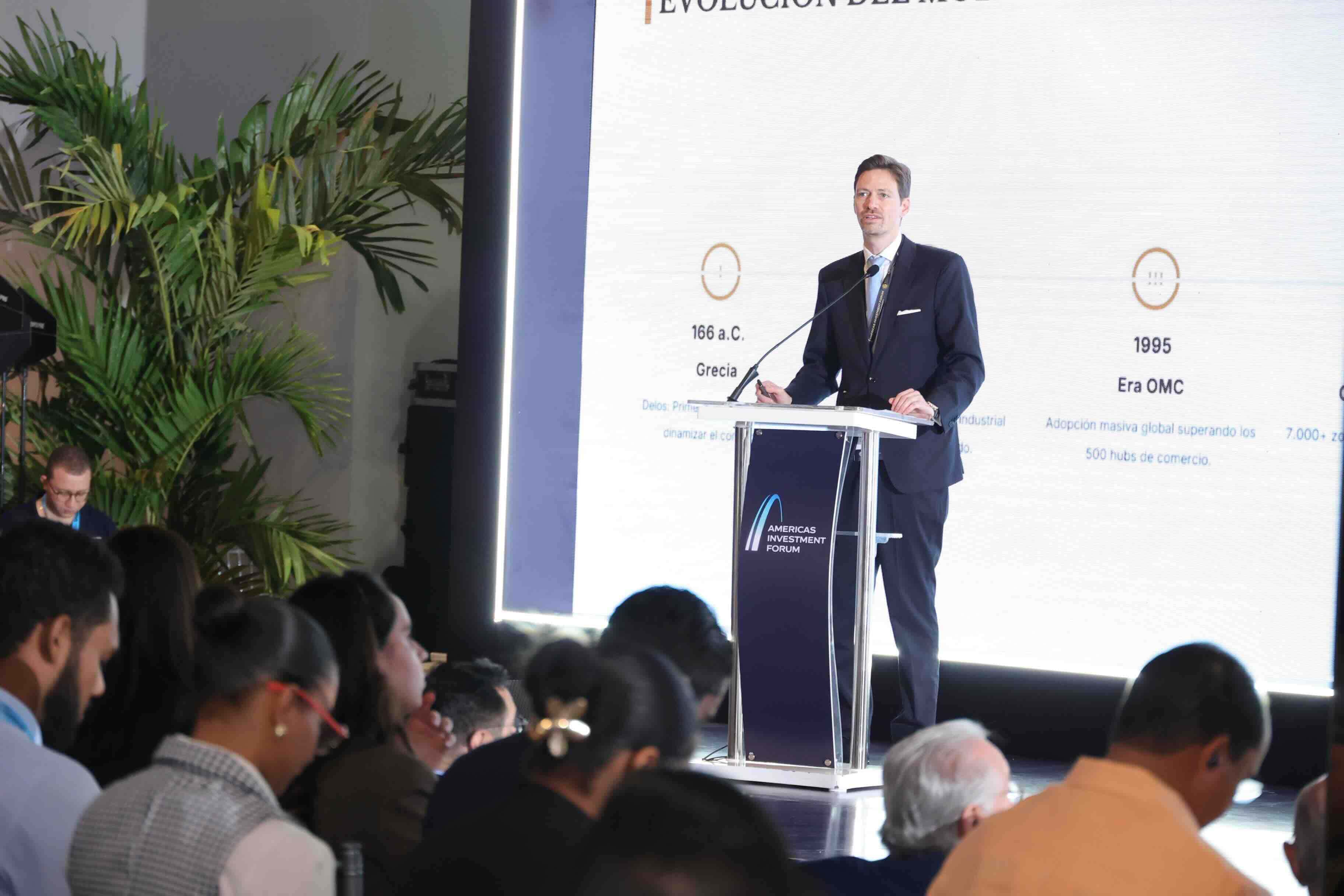
Think Investment. Think Zones: WFZO CEO Calls for a New Global Investment Mindset
14 July 2026
1 min read
World Free Zone Organization
World Free Zone Organization
 WFZO News
Explore the OneZone Platform: Connect, Learn and Unlock Opportunities
19 June 2026
1 min read
Knowledge Desk
World Free Zone Organization
 WFZO News
One Zone Platform Launched at World FZO World Congress in Panama
09 June 2026
1 min read
World Free Zone Organization
World Free Zone Organization
 WFZO News
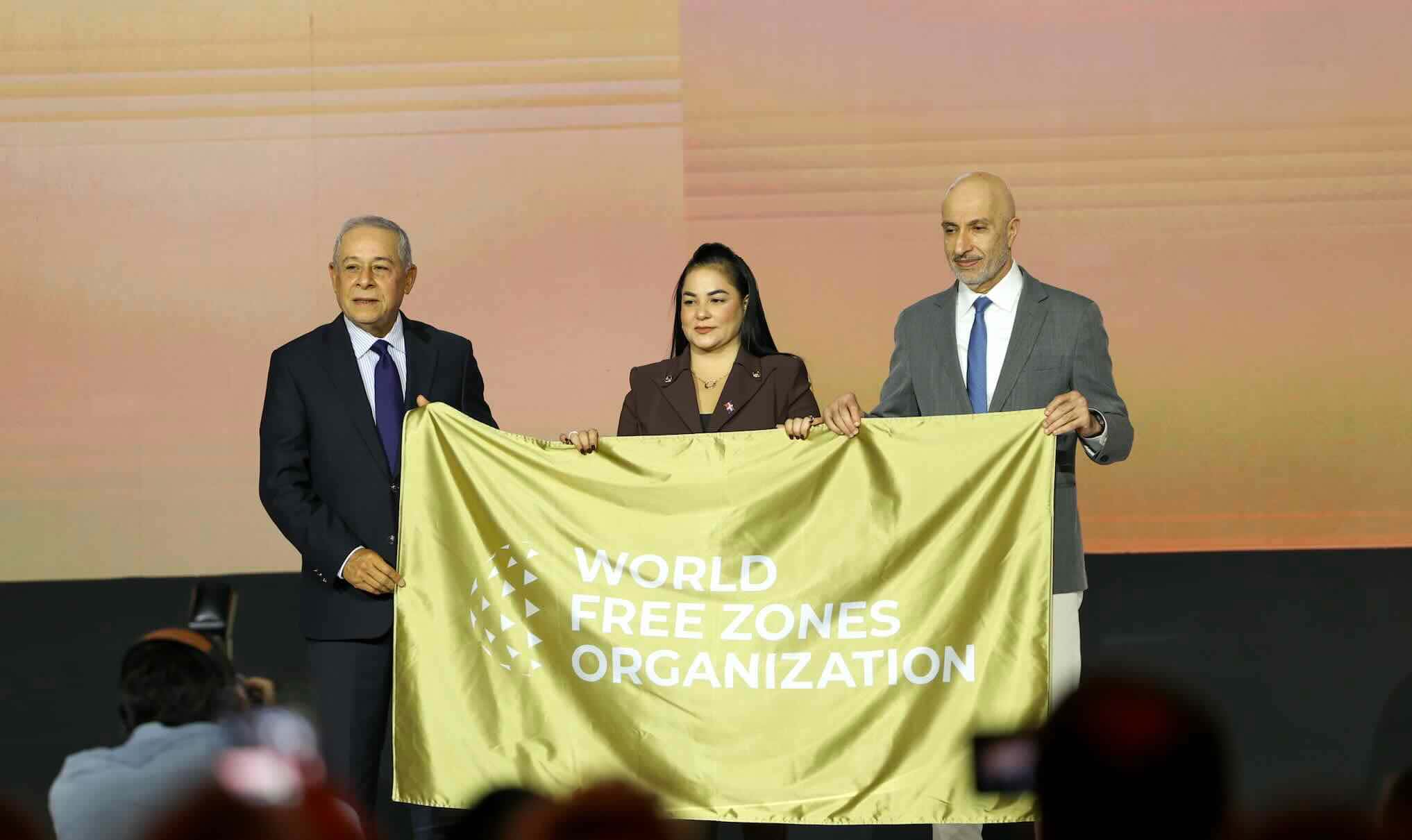
The 12th World FZO World Congress Commences in the Republic of Panama
02 June 2026
1 min read
World Free Zone Organization
World Free Zone Organization
 WFZO News
Building a New Generation of Free Zones
28 April 2026
1 min read
World Free Zone Organization
World Free Zone Organization

Contact Us
Looking for additional insight, research, or media information about WFZO? Contact our team for further details on publications and announcements