
Think Investment. Think Zones: WFZO CEO Calls for a New Global Investment Mindset
WFZO CEO Dr. Matthew Stephenson championed economic zones as the world's most effective engines for investment, growth, and economic transformation.

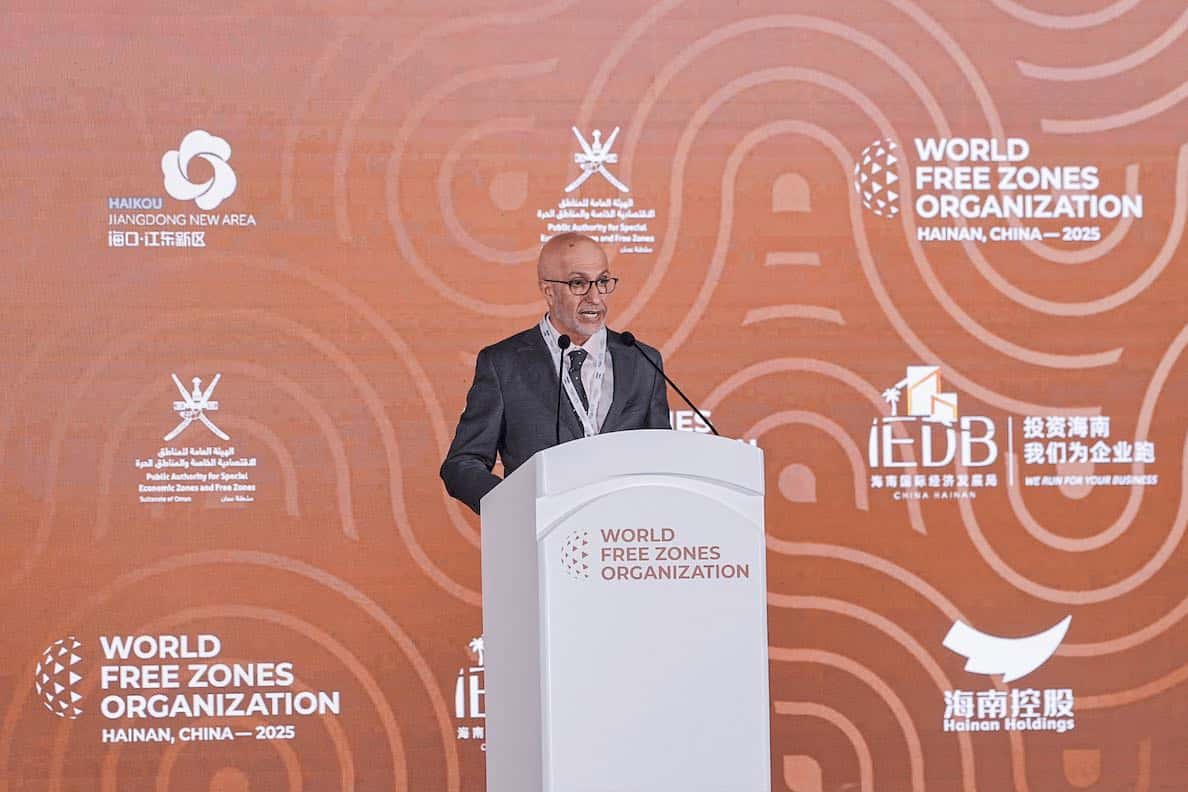
At the Americas Investment Forum, held from 1–3 July 2026 in Santo Domingo, Dominican Republic, Dr. Matthew Stephenson, CEO of the World Free Zones Organization (WFZO), delivered a compelling keynote address highlighting the transformative role of economic zones in attracting investment, fostering innovation, and driving sustainable economic growth.
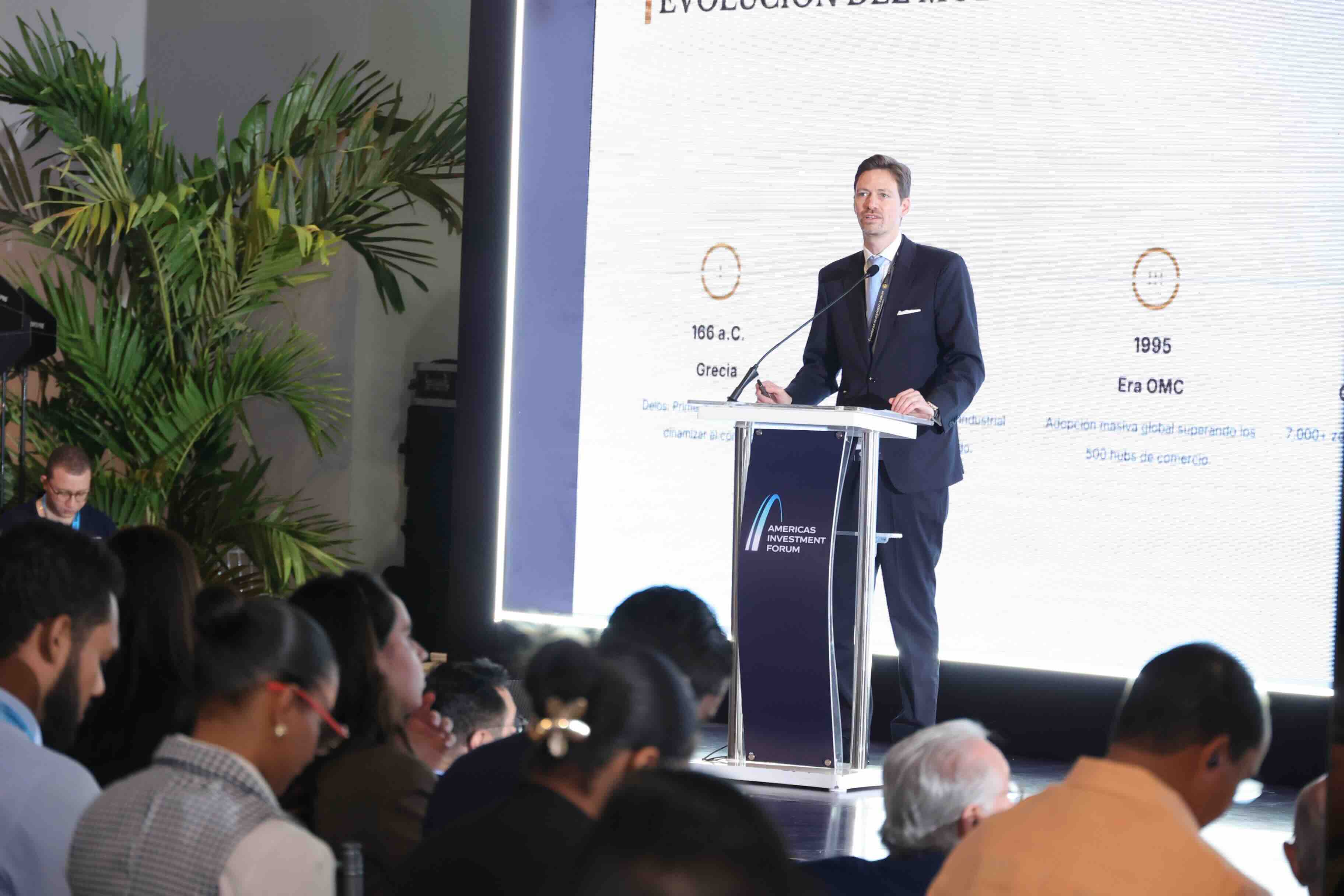
Addressing government officials, investment promotion agencies, business leaders, and economic zone representatives, he introduced a simple yet memorable message:
"Every time you hear the word 'investment,' think of the word 'zone.'" Dr. Stephenson began by introducing the World Free Zones Organization as the global platform for cooperation among free zones, economic zones, industrial parks, governments, businesses, and civil society. Today, WFZO's network spans more than 1,600 members across 136 countries, supported by 12 regional offices, working together to advance knowledge, investment facilitation, policy dialogue, networking, and practical support for economic zones worldwide.
Reflecting on the evolution of economic zones, Dr. Stephenson traced their origins from the ancient free port of Delos in 166 BC to the establishment of the Shannon Free Zone in Ireland in 1959—the world's first modern export processing zone. What began as a pioneering concept has evolved into a global economic model. Today, there are more than 7,000 economic zones worldwide, supporting over 80 million direct jobs, facilitating approximately 30% of global trade, and attracting hundreds of billions of dollars in foreign direct investment each year.
Turning his attention to the Americas, Dr. Stephenson highlighted the region's remarkable achievements and praised the Dominican Republic as one of the world's leading examples of long-term success through economic zones. With more than 80 economic zones supporting over 200,000 direct jobs, the country has demonstrated how a sustained commitment to the zone model can transform an economy. Across Latin America, more than 700 free zones generate over one million jobs, positioning the region to capitalise on growing nearshoring opportunities.
Addressing the central theme of the forum—how zones attract investment—Dr. Stephenson outlined five essential ingredients for success. These include strategic location and connectivity, reliable and affordable clean energy, regulatory predictability and good governance, a skilled workforce, and favourable geoeconomic positioning. While incentives remain relevant, he stressed that investors increasingly prioritise stability, infrastructure, talent, and long-term confidence in the investment environment.
He also challenged common misconceptions surrounding tax incentives by presenting international evidence demonstrating that economic zones consistently generate returns well beyond the incentives they receive. Citing examples from Costa Rica, Uruguay, and the Dominican Republic, Dr. Stephenson explained that the economic value created by zones significantly outweighs the cost of fiscal incentives. His conclusion was clear:
"Zones cost less than they return."
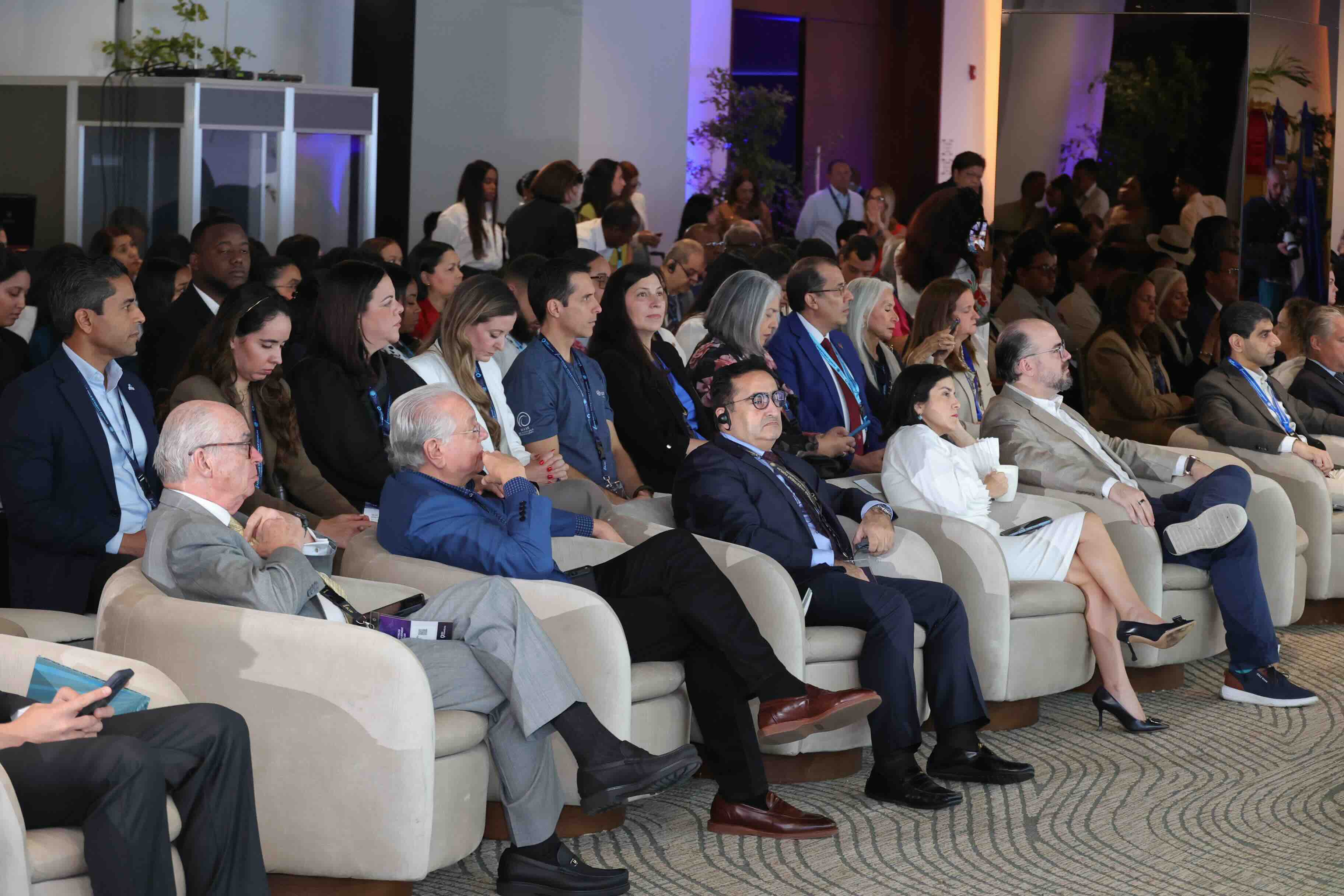
Another key message focused on strengthening collaboration between Investment Promotion Agencies (IPAs) and economic zones. Dr. Stephenson described the two as natural strategic partners, with agencies responsible for attracting investors and zones providing the operational environment where investment takes place. He noted that stronger coordination creates more effective investment pipelines, improves conversion from investor interest to actual projects, and enhances national competitiveness.
Highlighting the strategic partnership between WFZO and the World Association of Investment Promotion Agencies (WAIPA), he reaffirmed the organisations' shared commitment to advancing investment through joint knowledge exchange, capacity building, and international cooperation. Their collaboration continues to bring together investment agencies and economic zones to strengthen investment ecosystems around the world.
Dr. Stephenson concluded by inviting delegates to the WFZO World Congress, to be hosted next year in the Dominican Republic under the theme "The Twin Pillars of Success: Technology and Capital — How technology is changing the ways zones need to do business to succeed, and how to unlock capital to do so." The Congress is expected to welcome more than 2,000 participants, including governments, investors, economic zone authorities, and international organisations, for four days of dialogue, practical workshops, and business matchmaking.
Closing his address, Dr. Stephenson reinforced the enduring message of his keynote:
"Economic zones are not simply tax incentives or isolated industrial areas. They are among the world's most powerful, proven, and scalable tools for attracting investment, creating jobs, expanding trade, developing industries, and transforming economies. When you think of investment, think of zones."
Featured Publications
 WFZO News
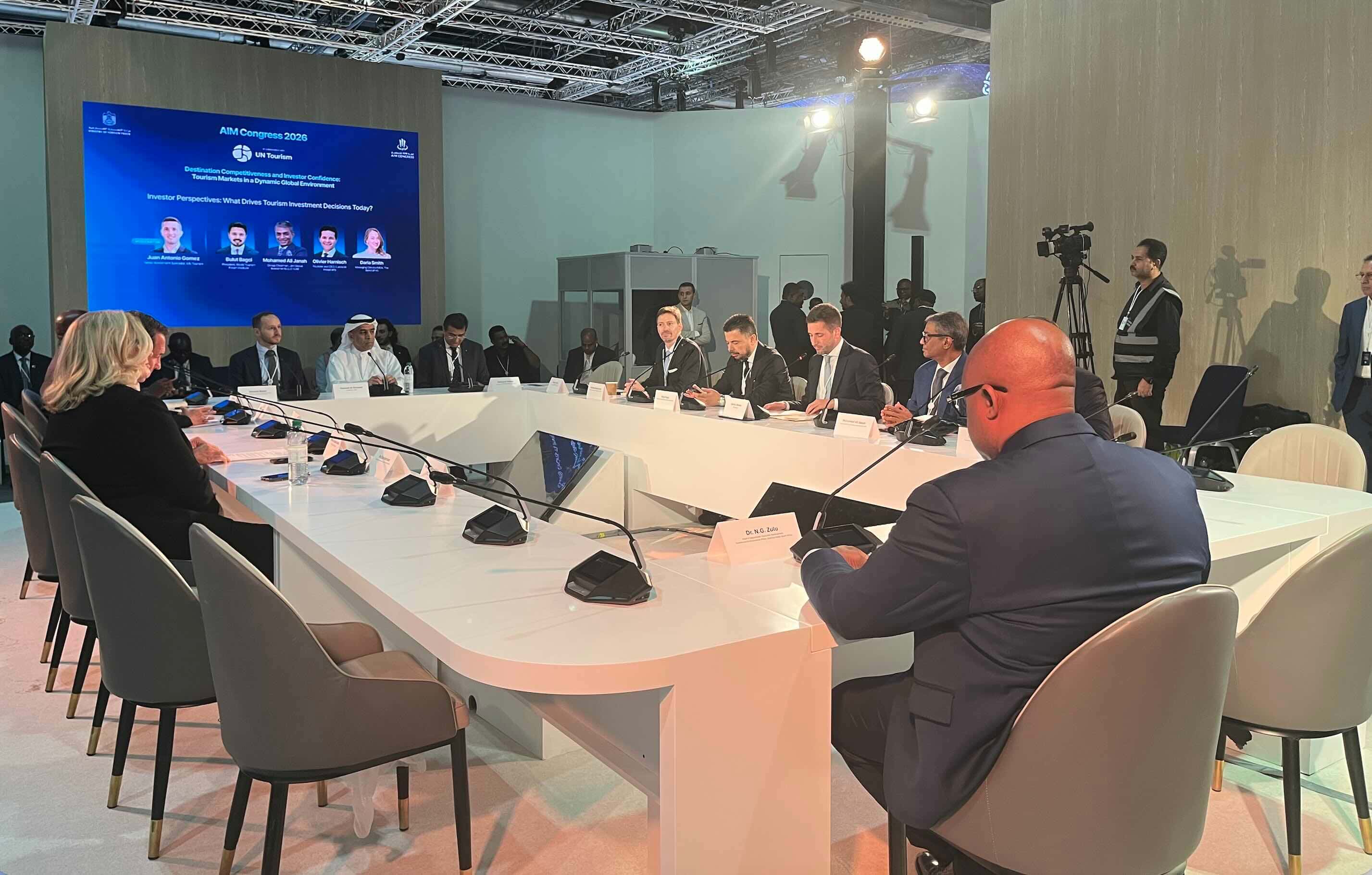
WFZO Puts Economic Zones at the Center of Investment Debate at AIM Congress 2026
11 September 2026
1 min read

News Desk
World Free Zones Organization
 WFZO News
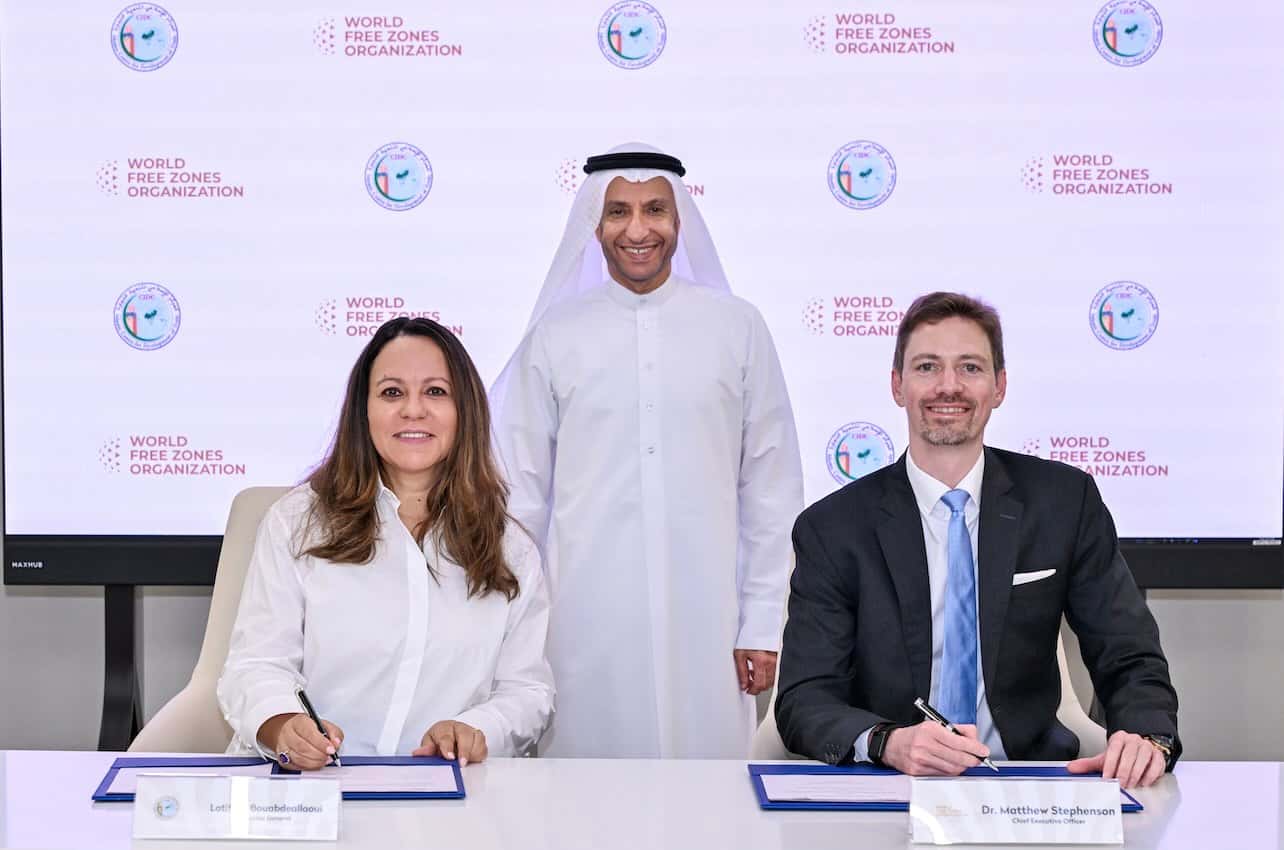
WFZO and ICDT Sign MOU to Strengthen Trade and Investment Cooperation Across the OIC
10 September 2026
1 min read
News Desk
World Free Zones Organization
 WFZO News
WFZO and UN Tourism Bring Together Global Experts to Chart the Future of Tourism Special Economic Zones
05 September 2026
1 min read
News Desk
World Free Zone Organization
 WFZO News
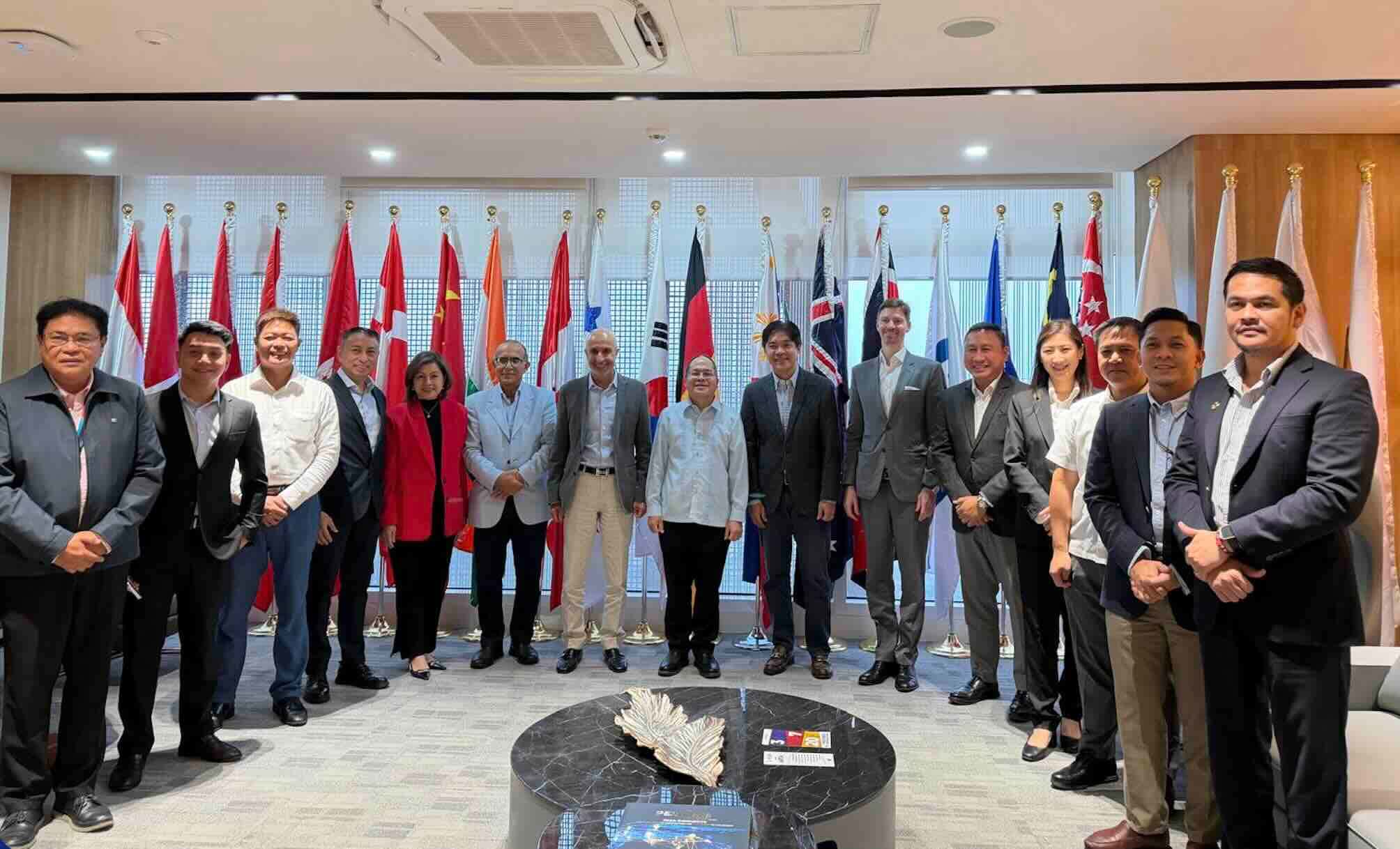
WFZO Visits Thailand, Viet Nam, and the Philippines to Support the Zone Economy
21 August 2026
1 min read
News Desk
World Free Zone Organization
 WFZO News
Insights and Actions for Zones to Thrive in the New Era | Key Insights from the WFZO World Congress 2026
14 August 2026
1 min read
Knowledge Desk
World Free Zone Organization
 WFZO News
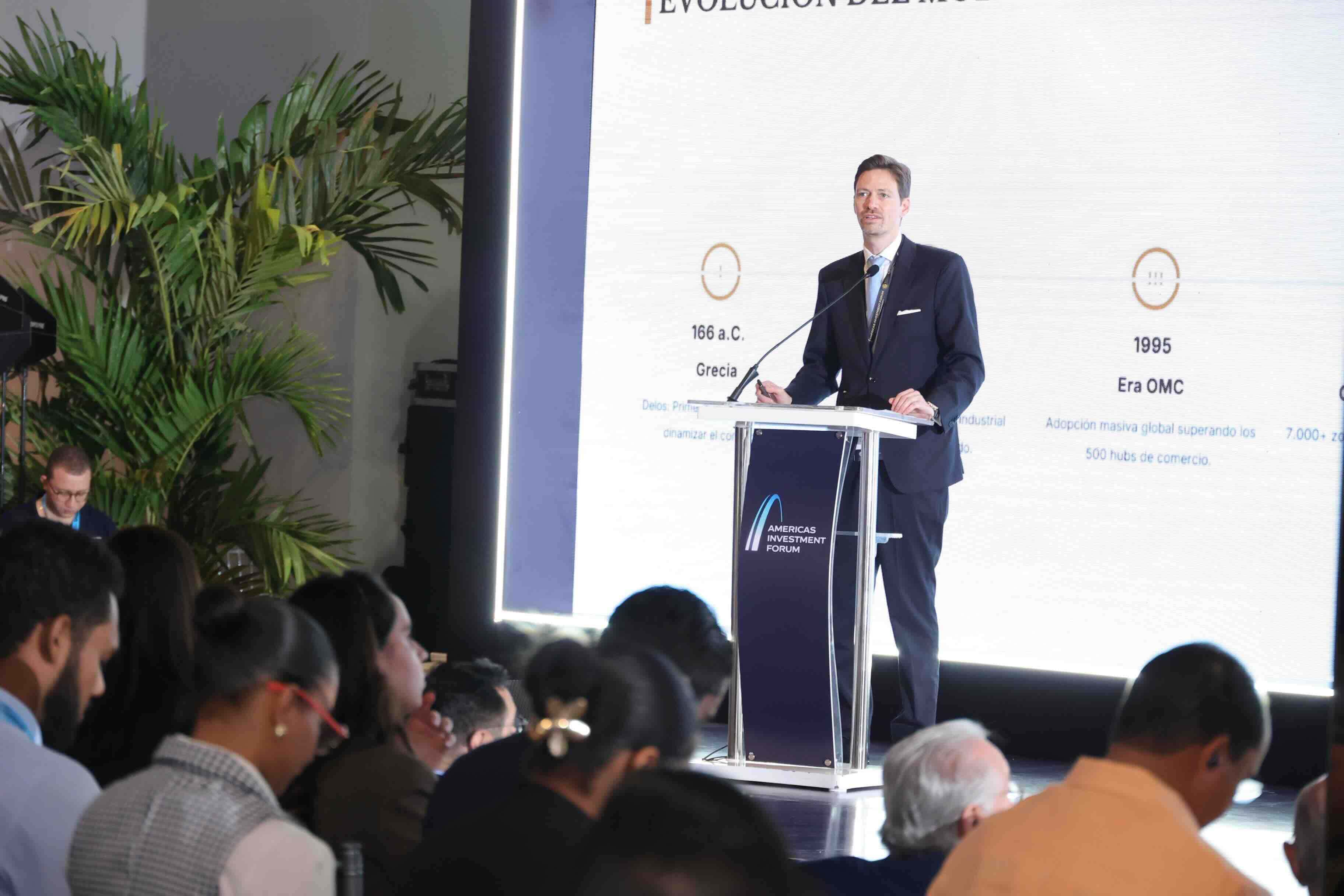
Think Investment. Think Zones: WFZO CEO Calls for a New Global Investment Mindset
14 July 2026
1 min read
World Free Zone Organization
World Free Zone Organization
 WFZO News
Explore the OneZone Platform: Connect, Learn and Unlock Opportunities
19 June 2026
1 min read
Knowledge Desk
World Free Zone Organization
 WFZO News
One Zone Platform Launched at World FZO World Congress in Panama
09 June 2026
1 min read
World Free Zone Organization
World Free Zone Organization
 WFZO News
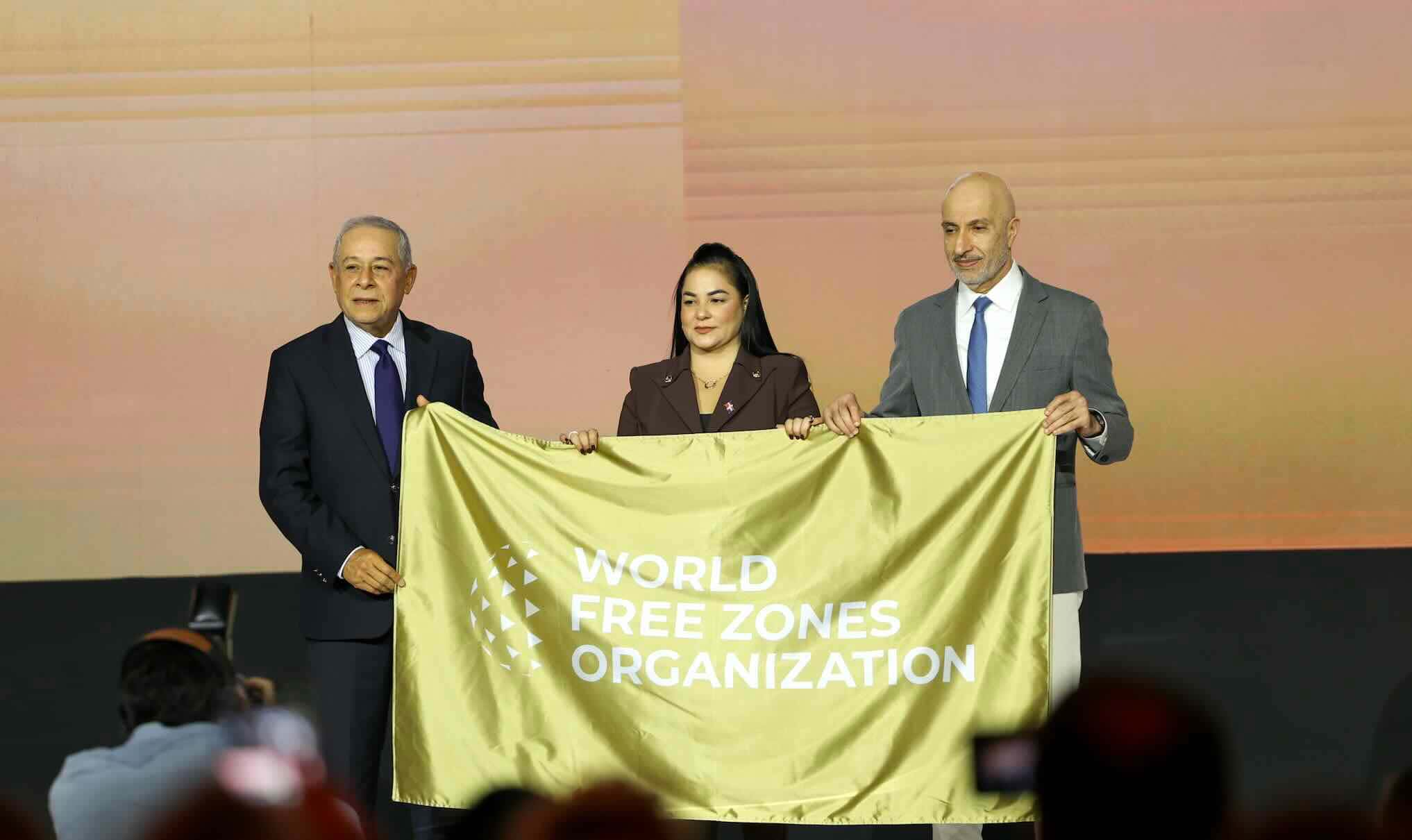
The 12th World FZO World Congress Commences in the Republic of Panama
02 June 2026
1 min read
World Free Zone Organization
World Free Zone Organization
 WFZO News
Building a New Generation of Free Zones
28 April 2026
1 min read
World Free Zone Organization
World Free Zone Organization

Contact Us
Looking for additional insight, research, or media information about WFZO? Contact our team for further details on publications and announcements